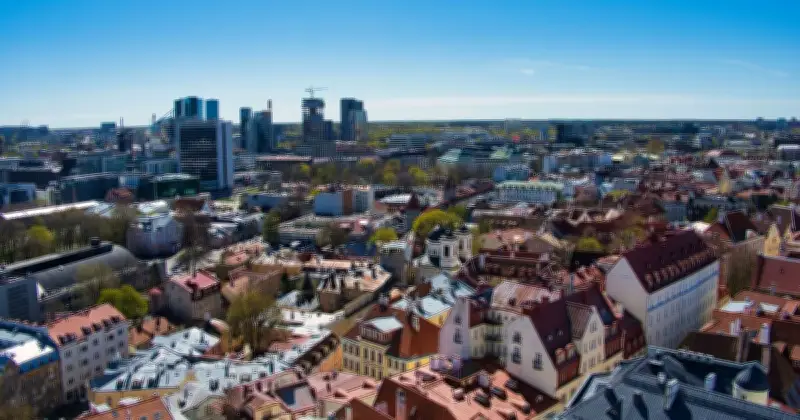
Estonia has been named the world's best country to relocate to in 2026, according to the inaugural Rumavi Global Relocation Index. The Baltic nation scored 72.8 out of 100, narrowly beating Singapore (72.6) and Malaysia (72.0). Australia ranked 29th with 68.0, while the United States placed 107th with 60.0. India came in at 100th.
Top 10 and Key Rankings
The top 10 also included Portugal, Taiwan, Lithuania, Hong Kong, St Kitts and Nevis, Czechia and Malta. The index, compiled by independent advisory firm Rumavi, ranked 192 countries and territories using 24 metrics across four pillars: financial and tax, livability and health, safety and stability, and settling and opportunity.
Scores were re-weighted for six different types of movers: general, retirees, digital nomads, families, entrepreneurs, and those prioritizing tax efficiency.
Why Estonia Won
Estonia's victory was driven by exceptional scores for currency and banking (98.9), business opportunity (96), property rights for non-citizens (90), and a strong startup ecosystem (89). It also performed well on street safety, rule of law, political stability, and education. The country ranked first overall for families and second for entrepreneurs. Its main weakness is climate comfort, scoring just 20 due to long, dark, cold winters.
Singapore and Malaysia Lead Other Categories
Singapore led the entrepreneur and tax-friendliness rankings, while Malaysia topped both the retiree and digital nomad tables. The United States scored highly for entrepreneurs (33rd) due to its startup scene and banking depth, but was dragged down by high conflict risk, climate issues, and the unique worldwide taxation of US citizens wherever they live.
Expert Insight
Alexander Linton, founder of Rumavi, said the index deliberately looks beyond headline tax rates. “A zero rate somewhere you cannot bank, where the courts do not hold or which is not safe to live in is worth very little. What wins is defensible, well-governed tax efficiency.”
Unlike traditional expat surveys, the Rumavi index combines institutional datasets with expert assessment and adjusts weightings by lifestyle. Healthcare, affordability and safety matter more for retirees; startup ecosystems and business conditions for entrepreneurs.
For those eyeing a move, the message seems clear: the old Anglo-sphere powerhouses no longer automatically lead the pack. Digital-first governance, strong property rights for outsiders and practical business conditions are now decisive – and Estonia, population 1.37 million, has them in abundance.