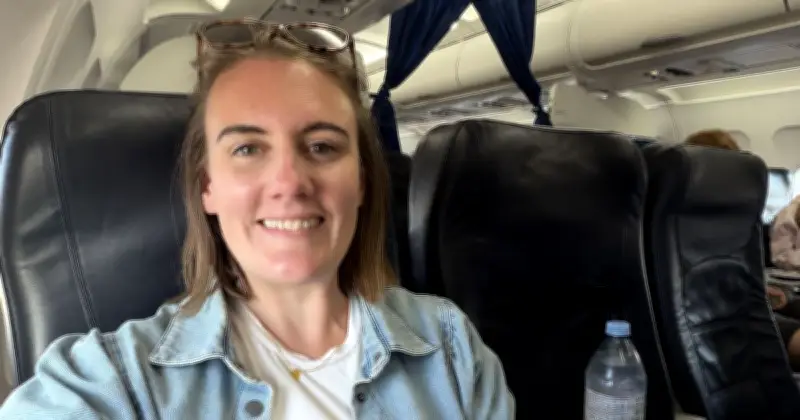
After more than a decade as a travel editor, Julie Delahaye has filtered out the flying hacks that work from those that let her down. Here are five simple tips she swears by for almost every flight, especially long-haul, that don't require buying lots of expensive gadgets.
Pack your own toiletries bag
While most airlines offer an amenity kit, having your own favourite products makes a wealth of difference. A toothbrush, toothpaste, deodorant and a bit of dry shampoo can help you feel fresh when you land, especially after a night flight or a delay. Delahaye hasn't mastered an in-flight skincare routine but often packs wipes or make-up remover to give her skin a break on overnight flights. She notes you'll need to check hand luggage rules for any 100ml limits, and you can pick up last-minute extras at the airport.
Be tactical with in-flight meals
Long-haul ticket prices rarely come cheap, so Delahaye was prone to trying to get her money's worth with in-flight meals and snacks, but she often ended up feeling nauseous in the stale air of a plane cabin. Now she's more tactical. On a night flight, she'll have a 'proper' dinner at the airport and skip the plane food. If she manages to sleep, she tends to turn down breakfast, as it made her nauseous. Instead she packs snacks that travel well, such as pastries, so she can eat a bit later when she's ready and hungry. The added perk on night flights is that if you don't eat the evening meal, you can get to sleep when you're tired, rather than waiting for crew to tidy the trays away.
Pack a scarf
It's hardly groundbreaking, but Delahaye always has a scarf handy even if she's headed somewhere hot and sunny. It can double up as an extra blanket, a makeshift pillow or just something cosy to have on the plane, and it's a nice-to-have when the airplane aircon is in full force.
Don't stay in your seat
Move around. You won't get 10,000 steps in and you're unlikely to walk very far, but occasionally standing up and stretching your legs can make a huge difference. You'll feel less stiff, it's a minor but helpful change of scenery, and it can help keep deep vein thrombosis (DVT) at bay. Delahaye tries to get up once every couple of hours, so she books the aisle seat to avoid disturbing other passengers on her row.
Accept you will not sleep well
Unless you have booked a First Class seat with one of those fancy lie-flat beds, your sleep will be disrupted. There is no point adding extra stress to force yourself to snooze. Light meals, staying hydrated and a cosy blanket or good eye mask can all help, but sometimes we just have to accept that a flight is not something your body is built to deal with. If you can't sleep, try power naps instead of one big snooze, or listen to calm music or a podcast. When you arrive at your destination, think of extra activities to stay busy if you need to stave off jet lag.