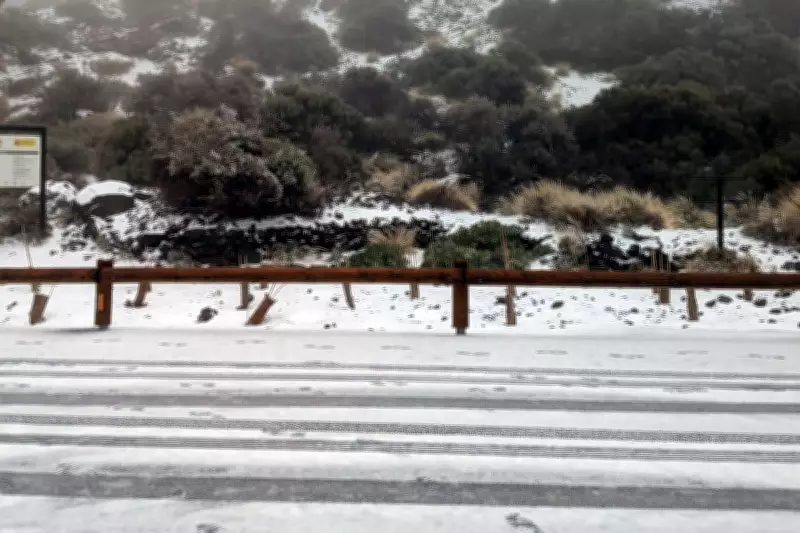
The popular holiday destination of Tenerife has been plunged into a state of emergency after being struck by a severe weather system known as Storm Therese. The storm, which began impacting the Canary Islands on Wednesday, 18 March 2026, has brought unprecedented conditions to the island, including heavy snowfall, powerful winds reaching up to 75 miles per hour, and torrential rain.
Emergency Measures Activated Across the Island
In response to the extreme weather, authorities in Tenerife have officially declared a state of emergency. This declaration has triggered the activation of the Island Emergency Plan, a comprehensive protocol designed to manage crises and protect public safety. Residents and visitors have been strongly advised to avoid all non-essential travel due to the hazardous conditions.
Widespread Disruption and Travel Chaos
The storm has caused significant disruption across Tenerife. Key transport routes have been severely affected, with numerous road closures reported. Icy conditions have made driving perilous, and access to Mount Teide, the island's iconic volcano and a major tourist attraction, has been completely shut down. The closures are a precautionary measure against the risks of flooding and heavy snow accumulation, which pose dangers to both vehicles and pedestrians.

Spain's national meteorological agency, Aemet, has issued a series of yellow and orange weather warnings for the Canary Islands, highlighting the severity of the situation. These warnings indicate potential risks to life and property, urging the public to exercise extreme caution. The storm's intensity has transformed the typically warm and sunny tourist hotspot into a winter landscape, with videos circulating online showing the island blanketed in a rare layer of snow.
Ongoing Response and Safety Precautions
Emergency services are on high alert, working to manage the fallout from Storm Therese. The focus remains on ensuring the safety of the island's inhabitants and the many tourists who may be caught in the unexpected weather event. Officials continue to monitor the situation closely, with updates expected as the storm progresses and conditions evolve.
This unusual weather event serves as a stark reminder of the unpredictable nature of climate patterns, even in regions known for their mild climates. The state of emergency will remain in effect until authorities deem it safe to lift the restrictions and normal operations can resume.