Storm Dave Unleashes 90mph Winds, Causing Widespread Havoc Across the UK
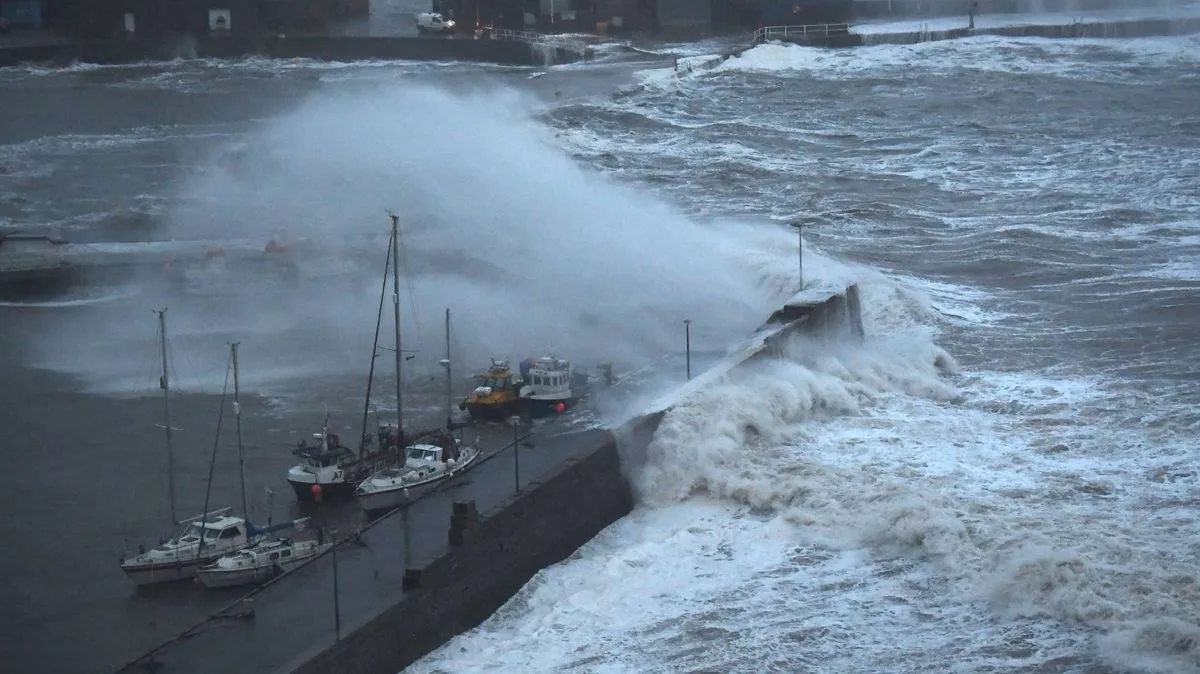
Storm Dave battered the United Kingdom overnight with ferocious winds reaching speeds of up to 90 miles per hour, leading to significant disruption and damage primarily in the North of England. The severe weather event left thousands of homes without electricity and caused major travel interruptions across affected regions.
Met Office Issues Yellow Warning as Winds Wreak Havoc
The Met Office had issued a yellow weather warning for wind, which covered extensive areas including parts of north Wales, northern England, and southern Scotland. This warning was in effect from 7pm on Saturday, April 4, until 3am on Sunday, April 5. During this period, very strong southwesterly and westerly winds swept across these regions, with widespread gusts of 60-70 mph and coastal or exposed locations experiencing gusts around 80 mph.
North Wales was particularly hard hit by Storm Dave, with gusts peaking at 90mph in locations such as Glynneath and Abergavenny. The powerful winds resulted in chaos, including downed power lines and blocked roads, leading to thousands of households being plunged into darkness and travel services being severely disrupted. The Met Office emphasized that the impact of strong winds was the primary factor in issuing the warning, though other elements like rain or snow were also considered in their assessment.
Public Reaction: Why Name a Storm 'Dave'?
In the aftermath of the storm, many people expressed puzzlement and amusement over the choice of the name 'Dave' for such a destructive weather event. On the R/CasualUK community on Reddit, users engaged in lively discussions, with one poster remarking, "Anyone else think that 'Dave' sounds too casual for a storm? Your roof has gone 'Ah man, cheers Dave!'"
Others echoed this sentiment, with one user stating, "The whole thing of naming storms as though they're on par with a hurricane is rather silly, so calling one Dave is rather fitting. Also a good name for a cat." A second commenter added, "Dave sounds about right for a bank holiday storm to chat about down the pub," while a third noted, "Storm Dave sounds rubbish, but Hurricane Dave would make for a great snooker nickname or pro wrestling persona." This public reaction highlights a broader curiosity about the naming conventions for storms in the UK.
How Storms in the UK Receive Their Names
Storm names in the UK are selected through a collaborative effort involving the Met Office, the UK's national meteorological service, along with Ireland's Met Éireann and the Dutch national weather forecasting service KNMI. Together, these three organizations form the western storm naming group, which has been responsible for naming storms since 2015.
The naming list runs annually from September until the following August, aligning with the start of autumn. Storms are assigned a name when they are deemed to have the potential to cause medium or high impacts in the UK, Ireland, or the Netherlands. This system aims to improve public awareness and preparedness for severe weather events, with factors like wind strength, rain, and snow all playing a role in the decision-making process.
As communities begin to recover from the effects of Storm Dave, the incident serves as a reminder of the unpredictable nature of British weather and the importance of heeding official warnings. The debate over the storm's name continues to resonate, adding a touch of humour to an otherwise serious situation.