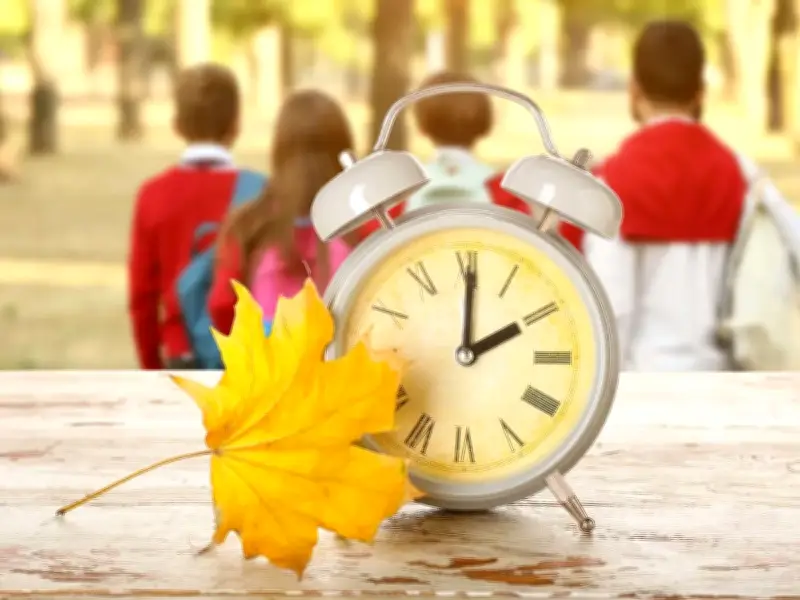
The clocks in the UK will go back on Sunday, October 25 at 2am, marking the official end of British Summer Time (BST) and the return to Greenwich Mean Time (GMT).
This annual change means nights will become darker earlier as daylight hours reduce. On the day of the change, the sunset will be around 4.46pm, an hour earlier than the day before. Sunrise on October 24 will be at 7.40am, and on October 25 it will be at 6.41am.
Why the clocks change
The clocks change twice a year, once in spring and once in autumn, to make the best use of sunlight during the warmer months. When they go back, people gain an extra hour of sleep, and early risers will see the sun come up earlier.
Smartphones connected to wifi or data usually adjust automatically, but most cars, ovens, and microwaves will show the wrong time. Those with traditional clocks will need to manually set them back an hour.
Regional differences and history
The exact time of sunrise varies by location, with Manchester seeing the sun a few minutes earlier than London. The next clock change will be in March next year, when clocks go forward at 1am to begin BST. A common reminder is 'spring forward, fall back'.
BST was first introduced during World War 1 under the Summer Time Act 1916 to reduce demand for coal by providing an extra hour of daylight. In recent years, sleep experts have debated whether the clock change should be abolished, with some saying it negatively affects circadian rhythms. Professor von Schantz said in 2024: “Restoring permanent Standard Time would mean our clocks would be closely aligned to solar time, and while it would mean earlier sunsets in the summer, there would be additional benefits to health from improved sleep and circadian alignment due to increased exposure to morning sunlight from autumn to spring.”