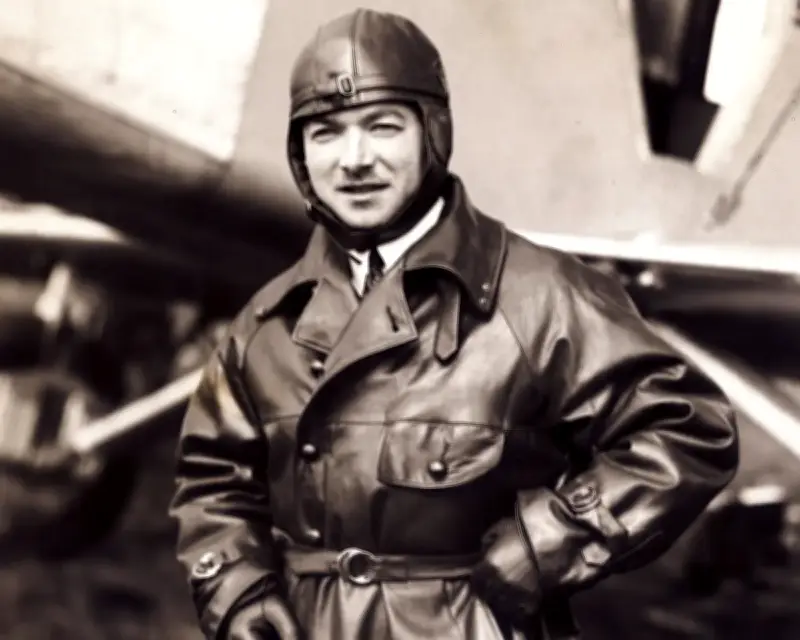
A century ago, French pilot René Fonck attempted the first non-stop flight from New York to Paris in a custom-built Sikorsky S-35, but his bid ended in failure despite clear weather.
Earlier crossing and weather challenges
Seven years earlier, in June 1919, John Alcock and Arthur Brown had flown the shorter route from Newfoundland, Canada, to County Galway, Ireland. Although they departed in a month when good weather was expected, they encountered dense fog and freezing temperatures during their successful flight.
Fonck might have delayed his attempt until spring, but Alcock and Brown's experience showed that Atlantic weather was unreliable even in summer, and rival teams were already preparing their own flights.
The crash and its aftermath
On the day of Fonck's attempt, the weather was clear, but the runway conditions proved difficult. His heavy S-35 struggled to reach take-off speed on the unpaved, rutted surface. Unable to brake, Fonck overran the runway, went down an embankment, and the plane burst into flames. Fonck survived, but two other crew members died.
Eight months later, Charles Lindbergh also faced a difficult take-off, this time from a muddy runway soaked by a week of rain. His plane, the Spirit of St Louis, was lighter, but it barely cleared telephone wires after lifting off.
Lindbergh's success
After 33 hours and some turbulence, Lindbergh landed in Paris, where more than 100,000 people greeted him. Non-stop transatlantic travel had finally become a reality, weather permitting.