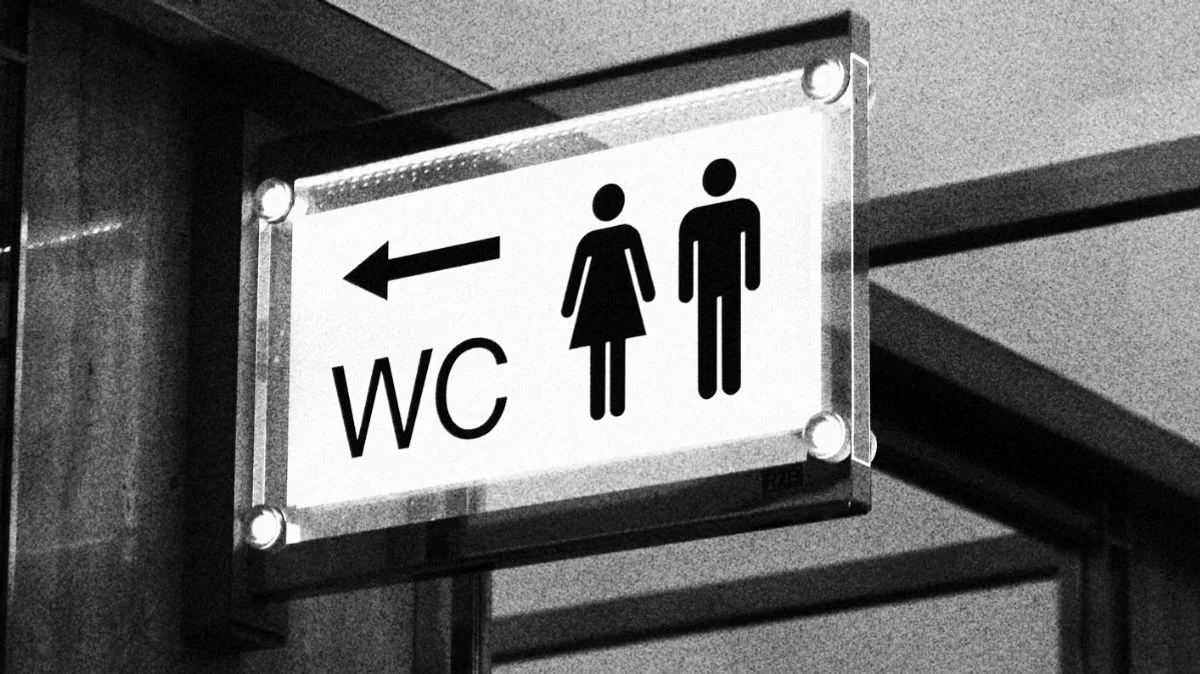
The Surprising History Behind WC Signs on Public Toilets Revealed
WC Meaning on Toilets Leaves People Astonished

If you have ever visited a public toilet in the United Kingdom, you have almost certainly noticed the letters WC prominently displayed on the door. Yet, despite this common sight, the true meaning behind this abbreviation has remained a mystery to countless individuals, with recent online discussions revealing widespread astonishment at its historical origins.

Social Media Revelation Sparks Widespread Surprise

A wave of social media users across Britain have expressed genuine shock upon discovering what WC actually stands for, with many admitting they had never given the common signage a second thought. The revelation has opened up fascinating conversations about the history of sanitation and public facilities in the UK.

In response to queries about the abbreviation's meaning, history enthusiasts have clarified that WC stands for 'water closet', a term specifically created during the Victorian era to avoid social embarrassment when discussing toilet facilities.

Victorian Etiquette and Linguistic Innovation

On discussion platforms like Quora, experts have explained the historical context behind the term's creation. "In the 19th Century, the word toilet was not uttered in polite society, nor were the bodily functions associated with the use of a toilet," one contributor noted.

To navigate this social delicacy, the term 'water closet' was invented to describe the then-new flush lavatory, particularly in public settings. The abbreviation WC was considered sufficiently detached from its actual function to be mentioned in conversation, albeit often with some residual embarrassment and hesitation.

Common Misconceptions and Modern Reactions

In various online discussions about the term's origin, numerous participants have confessed to holding completely incorrect assumptions about what WC represents. One social media user admitted they had always believed it stood for "wheelchair", while others expressed surprise at having lived with WC signs for decades without questioning their meaning.

"I can't believe I've been living with a WC sign and had no idea why it was called WC," wrote one astonished individual. Another added: "I'm glad someone asked because I've been wondering this for years but never Googled it."

The Plumbing History Behind the Term

According to plumbing experts at Plumbworld, the term 'water closet' first emerged in England during the 1870s. Originally known as the 'wash-down closet', everyday usage gradually transformed it into 'water closet', which eventually shortened to the now-familiar abbreviation WC.

The Victorian era represented a golden age of innovation for modern sanitation systems, with groundbreaking developments dramatically improving public health standards across Britain. Among the period's most celebrated sanitary engineers was Thomas Crapper, who received a prestigious commission from The Royal Household in 1886 to upgrade facilities at Sandringham House with cutting-edge models.

This historical context explains why WC became the standard designation for public toilets throughout the UK and many other countries, with the abbreviation persisting long after its original social purpose had faded from memory.