Severe Storm System Threatens East Coast with High Winds and Tornadoes
The National Weather Service has issued a stark warning as a powerful storm system barrels toward the East Coast, bringing dangerously high winds and the potential for "strong and long track tornadoes." This severe weather event is expected to impact nearly 200 million people at the start of the week, heightening the need for public awareness and preparedness.
Understanding Tornado Alert Classifications
With the imminent threat of severe storms, it is crucial for residents to comprehend the distinct levels of tornado alerts issued by the National Weather Service. These warnings escalate from a potential threat to an imminent danger, guiding appropriate safety responses. There are three key classifications: a Tornado Watch, a Tornado Warning, and the most severe, a Tornado Emergency.
Tornado Watch: Conditions Are Favourable
A Tornado Watch signifies that atmospheric conditions are conducive for tornadoes to develop in and around the designated area. This alert serves as an early warning, indicating a heightened risk but not an immediate threat. It is a time for preparation rather than panic. Residents are strongly advised to review and discuss their emergency plans, ensure they have essential supplies on hand, and identify their designated safe room, such as a basement or interior room without windows.

Tornado Warning: Imminent Danger Confirmed
A Tornado Warning is issued when a tornado has been sighted by spotters or detected by radar, confirming imminent danger to life and property. This alert necessitates immediate action, requiring individuals to seek shelter without delay. The recommended course of action is to move to a sturdy building's interior, away from windows and exterior walls, and to protect oneself from flying debris.
Tornado Emergency: Catastrophic Threat in Progress
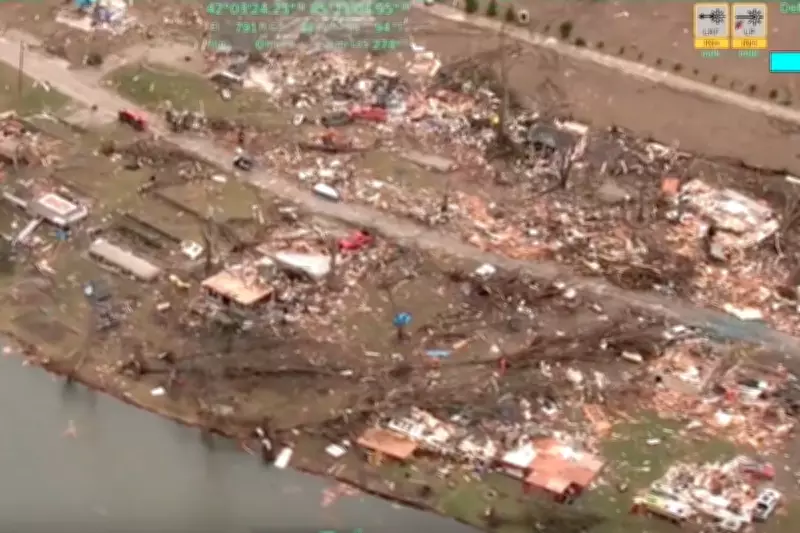
A Tornado Emergency represents the highest alert level, reserved for situations where a violent tornado has touched down and is causing or expected to cause catastrophic damage. This warning underscores the extreme severity of the situation, demanding immediate refuge in the safest possible location. During a Tornado Emergency, it is critical not to attempt to outrun the tornado in a vehicle, as this can be deadly. Instead, individuals should shelter in place, inform friends and family within the affected area of their safety, and stay tuned to official updates for further instructions.
As the storm system approaches, staying informed through reliable sources like the National Weather Service and local authorities is paramount. By understanding these alert levels, the public can take proactive steps to safeguard themselves and their communities during severe weather events.