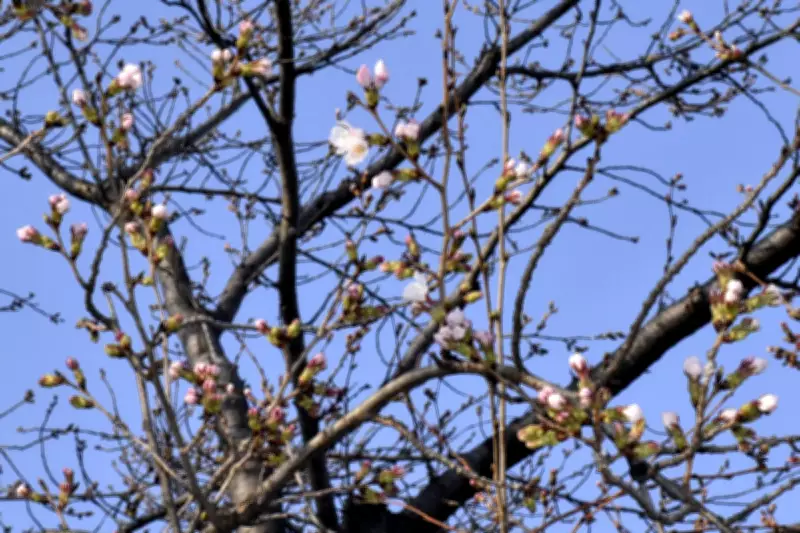
Japan's cherished cherry blossom season has officially commenced, with government officials confirming the first blooms in three cities across the nation. This announcement marks the traditional start of a period deeply woven into Japanese culture and daily life.
Early Flowering in Three Key Locations
Spotters from the Japanese government declared on Monday that the first flowering of the iconic Somei Yoshino cherry trees had been observed in Kochi, Gifu, and Yamanashi. Officials from the Japan Meteorological Agency meticulously examined benchmark trees in these locations, finding more than five flowers on each—the minimum threshold required for an official announcement.
Kochi Leads the Way for Third Consecutive Year
The tree in Kochi, situated in southwestern Japan, blossomed first, continuing a trend for the third year in a row. Remarkably, this bloom occurred six days earlier than the average year. Meanwhile, the cherry trees in Gifu and Yamanashi, both in central Japan, flowered nine days ahead of the typical schedule.

Shinobu Imoto from the Kochi Meteorological Agency suggested to TBS television that the early blooming might be linked to specific weather patterns. "Low rainfall during the winter months and longer hours of sunshine likely contributed to this accelerated flowering," Imoto explained, highlighting how climatic conditions directly influence this natural spectacle.
Cultural Significance and Seasonal Celebrations
Cherry blossoms, known as "sakura," hold a profound place in Japanese society, influencing art, literature, and customs for centuries. The blooms typically reach their peak in late March to early April, coinciding with the start of a new school and business year. Many Japanese citizens engage in traditional activities such as walking or picnicking under the flowering trees, a practice known as "hanami."
Challenges of Overtourism
In recent years, the popularity of cherry blossom viewing has led to significant challenges for communities near prime venues. Residents have voiced concerns over issues including littering, excessive noise, and other disruptions associated with overtourism. These problems underscore the delicate balance between celebrating natural beauty and managing its impact on local areas.
The early onset of this year's season offers an extended window for appreciation but also raises questions about long-term climatic trends and their effects on this cultural hallmark. As the blossoms spread across the country, they continue to symbolize renewal and the fleeting nature of beauty, drawing both domestic and international attention to Japan's springtime traditions.