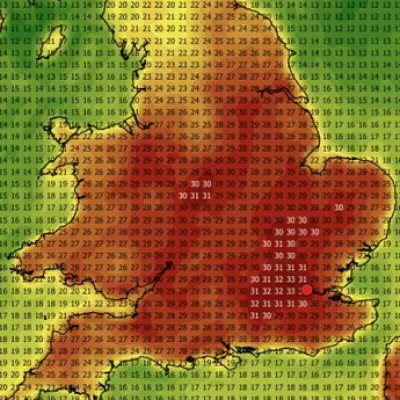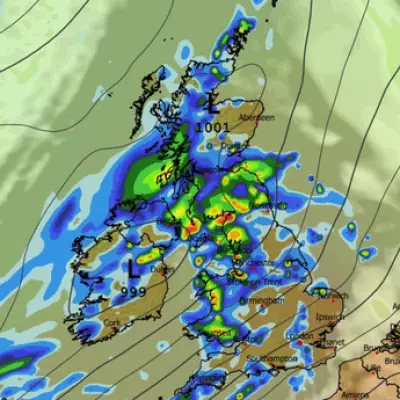
Britain is poised for an early preview of spring during winter's final week, as warmer temperatures and sunshine replace months of relentless storms and overcast skies. The Met Office has announced that highs will steadily increase throughout this week, with parts of southern England expected to reach 13C (55F) today, 14C (57F) tomorrow, and a notable 18C (64F) by Wednesday.
Sunny Days Ahead Before a Cooler End to the Week
Tomorrow and Wednesday are forecast to be the sunniest days of the week, particularly across southern regions, before temperatures dip back to 14C on Thursday and 13C on Friday. These mild conditions are being sustained by winds originating from the South West over the coming days. Today, the South will see highs of 13C, while the North will experience slightly cooler temperatures of 11C (52F).
Regional Weather Patterns and Daily Forecasts
This morning will bring frequent showers across northern areas, whereas the South will remain drier with some early brightness, though the West will contend with cloud and rain. Tomorrow will start grey with outbreaks of rain, most persistent across Scotland, before clouds break up to allow highs of 14C in the South and 13C in the North.

Wednesday is set to be the standout day this week, featuring dry conditions and extensive sunny spells that will push temperatures to 18C in the South and 15C (59F) in the North. However, rain will return across northern and western areas on Thursday, accompanied by considerable cloud cover and highs of 14C in the South and 13C in the North.
The working week will conclude on an unsettled note as an area of low pressure is anticipated to move across the UK, bringing temperatures of 13C in the South and 11C in the North. This shift follows a winter season characterised by a significant 'lack of sunshine,' with the UK having received only 70 per cent of its average sunshine so far.
A Wet Winter with Regional Variations
This winter has also been notably wet across the country, with rainfall exceeding the average for the past 30 years, though some regions have experienced much heavier precipitation than others. The meteorological winter, which runs from December to February, uses data from the last three decades to calculate averages for rain and sunshine.
Met Office senior meteorologist Greg Dewhurst noted that while this winter may not appear 'remarkable' at first glance, regional breakdowns reveal 'big differences' across the UK. For instance, eastern Scotland has recorded 114 per cent of its typical rainfall, whereas northern and north-western Scotland have seen just 60 per cent. Similarly, the Midlands is at 140 per cent of its expected rainfall, while North West England stands at 90 per cent.
Explaining the Weather Patterns and Climate Context
Mr Dewhurst suggested that this week's 'pretty much business as usual weather' might help balance these skewed averages before winter ends. Met Office presenter and meteorologist Alex Deakin provided further insight, explaining that a southerly shift in the jet stream, driven by freezing conditions in North America, pushed low-pressure systems further south than usual.
This, combined with a blocking pattern that caused these systems to stall, established a semi-permanent south-easterly flow into the UK. Consequently, rain has been funnelled from surrounding seas into south-west England, eastern Scotland, and eastern Northern Ireland, while western parts of Scotland have been drier than normal.
The Met Office also emphasised that climate change offers 'important context' for the wetter weather, with projections indicating a higher likelihood of intense storms like those witnessed this year. A warmer atmosphere can hold more moisture—approximately 7 per cent more for every degree Celsius of warming—meaning downpours can be heavier and more intense when rain occurs.
Flood Warnings and Environmental Impact
In response to weeks of torrential rain since the start of the year, the Environment Agency has issued 52 flood warnings and 121 flood alerts for England today. This underscores the ongoing challenges posed by the winter's severe weather conditions, even as spring-like warmth begins to emerge.