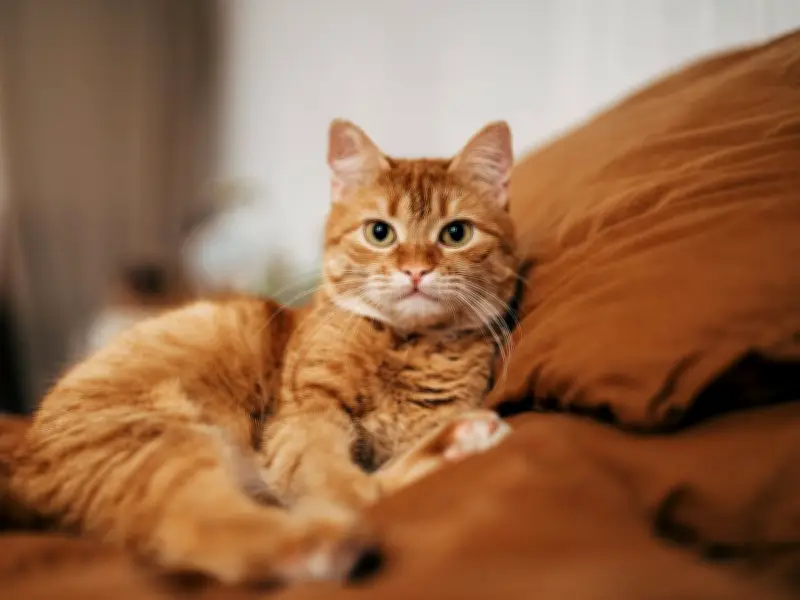
Cats are instinctively private creatures, making it challenging to detect when something is wrong. They often conceal pain or discomfort, so signs of illness can be easily overlooked.
Dr Aimee Warner, resident vet at pet insurance firm Waggel, has identified six key indicators that owners should monitor. She said: "Cats rarely make it obvious when something is wrong. They may continue eating, sleeping and moving around the house while showing small changes that are easy to overlook. The most useful thing an owner can do is learn what is normal for their cat. A behaviour that has always been there may be harmless, but a sudden or persistent change deserves attention."
Increased meowing
While some cats are naturally vocal, a sudden increase in meowing could signal discomfort. If your cat becomes considerably noisier, monitor their weight—if they've lost weight and become more vocal, it may indicate an underlying problem.
Changes in thirst
Alterations in water consumption or litter tray use can indicate conditions such as kidney disease, thyroid disease, or diabetes. Track how often you refill the water bowl and observe urination patterns. Elevated thirst warrants a veterinary examination, especially if accompanied by weight loss, appetite changes, or lethargy.
Straining to use the litter tray
If your cat frequently visits the tray, cries while urinating, or produces blood-tinged urine, consult a vet. These signs can stem from stress, cystitis, bladder stones, or urinary tract infections. If your cat strains but cannot pass urine, seek immediate veterinary care—this could indicate a urinary obstruction, an emergency more common in male cats.
Drooling
While some cats dribble when purring, a sudden increase in saliva may signal mouth ulcers, dental disease, nausea, trauma, or toxin exposure. Check for foul breath, inflamed gums, scratching at the mouth, or difficulty eating. Any of these symptoms warrant a vet visit.
Grooming changes
Excessive grooming can indicate skin irritation, stress, or discomfort. Look for bald patches or persistent licking. Conversely, reduced grooming—especially in older cats—may result from arthritis or decreased flexibility, leading to matting or a greasy coat. Both extremes warrant veterinary assessment.
Hiding from cuddles
If your usually affectionate cat avoids you or resists stroking, it could be in pain. If you also notice limping, decreased appetite, or unusual vocalisation, have them examined by a vet.
Dr Warner added: "One unusual moment does not always mean a cat is unwell. What matters is whether the change is sudden, keeps happening or appears with other symptoms. Write down what you have noticed and when it started. Photos or short videos can also help your vet understand what has changed."