UKHSA Activates 72-Hour Cold-Health Alert System Across England
The UK Health Security Agency (UKHSA) has issued multiple yellow Cold-Health Alerts (CHAs) across seven regions of England, responding to forecasts of severe winter weather from the Met Office. These official warnings serve as an early notification system when adverse temperatures are predicted to significantly impact public health and community well-being.
Alert Duration and Affected Regions
The Cold-Health Alerts officially commenced at 6pm on Monday, February 17, 2026, and will remain active for precisely 72 hours until 6pm on Friday, February 20. The alert system specifically covers the North East, North West, Yorkshire and The Humber, East Midlands, West Midlands, East of England, and South West regions. Notably, London and the South East have been excluded from these particular warnings at this time.
According to official UK Government guidance: "The alerting system provides an early warning when adverse temperatures are likely to impact on the health and well-being of the population. The Weather health alerting system is provided by the UK Health Security Agency in partnership with the Met Office."

Understanding the Cold-Health Alert Framework
The CHA system typically operates annually from November 1 through March 31, while the complementary Heat-Health Alerts (HHAs) system generally runs between June 1 and September 30. However, the UKHSA maintains the authority to trigger exceptional alerts if cold episodes occur outside this primary winter period. Interested individuals can receive direct email notifications by completing a registration form on the official government website.
The agency emphasizes that these alerts are specifically designed to provide advance notice to multiple sectors including health and social care services, emergency responders, voluntary organizations, community groups, and government departments when extreme temperatures threaten population health.
Met Office Weather Forecast and Potential Impacts
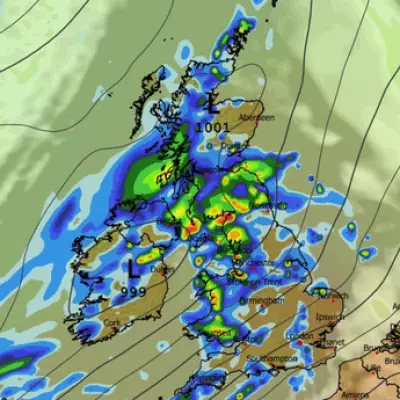
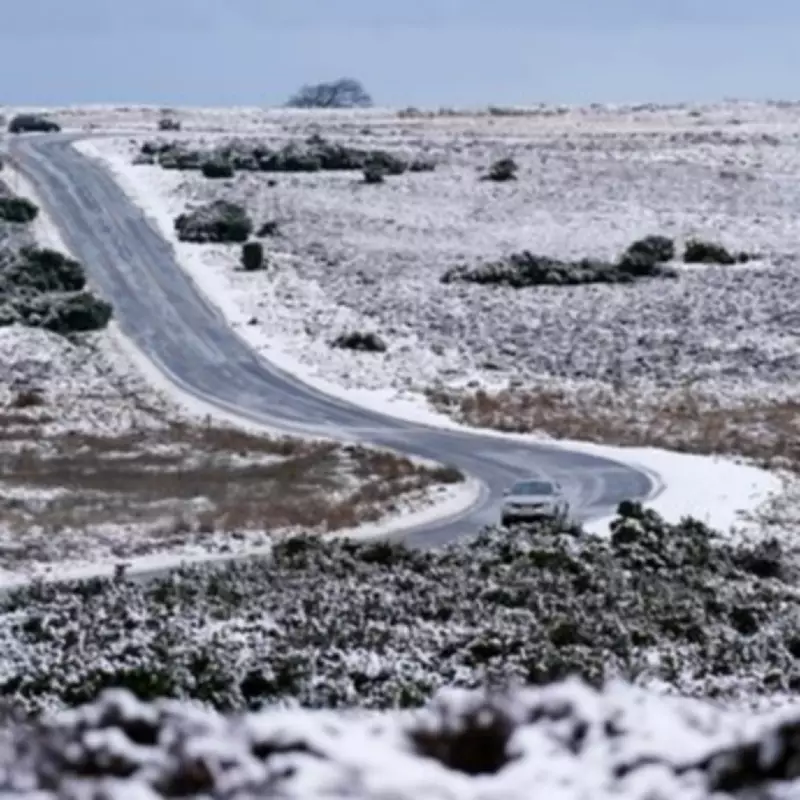
Today's Cold-Health Alert activation coincides with Met Office predictions of both heavy snowfall and significant rainfall across parts of England over the coming days. Some affected areas may experience accompanying strong winds, which could exacerbate the potential for weather-related disruptions and hazards.
The Met Office has detailed: "Spells of rain, some heavy, will affect southern parts of England during Wednesday and overnight into Thursday, whilst some snow is also likely over higher ground, chiefly during Wednesday night. 10-20 mm of rain is expected quite widely with a few places near the south coast seeing 20-30 mm and perhaps as much as 50 mm over Dartmoor."
Meteorologists further warn that strong east to northeasterly winds will accompany the precipitation, potentially worsening impacts in vulnerable locations. Large waves could particularly affect east-facing coastal areas, especially along the English Channel coastline.
Public Preparedness Recommendations
In response to these weather warnings, authorities strongly encourage residents to assess whether their properties face flooding risks. Those in potentially affected areas should consider developing comprehensive flood plans and assembling emergency kits containing essential items.
Recommended emergency supplies include:
- Important personal documents and insurance details
- Waterproof clothing and protective gear
- Sufficient drinking water for several days
- Essential medications and first aid supplies
- Torches with spare batteries
- Mobile phone power banks and charging equipment
Residents should also develop contingency plans for household pets and maintain updated contact information for emergency services and utility providers. The Met Office specifically advises that people generally cope better with power interruptions when they have prepared adequately in advance.
Weather officials caution that conditions can change rapidly, recommending that the public regularly monitor local forecasts and remain flexible as warnings may be updated or modified based on developing meteorological patterns.

Full List of Affected Regions
- North East
- North West
- Yorkshire and The Humber
- East Midlands
- West Midlands
- East of England
- South West