Storm Therese has unleashed its fury across the Canary Islands, delivering a severe weather onslaught of heavy snow, relentless torrential rain, and dangerously fierce winds. According to local meteorological reports, wind gusts have surpassed 74 miles per hour in multiple locations, while continuous downpours have triggered dangerous flash flooding and landslides throughout the region.
Unprecedented Snowfall and Emergency Declarations
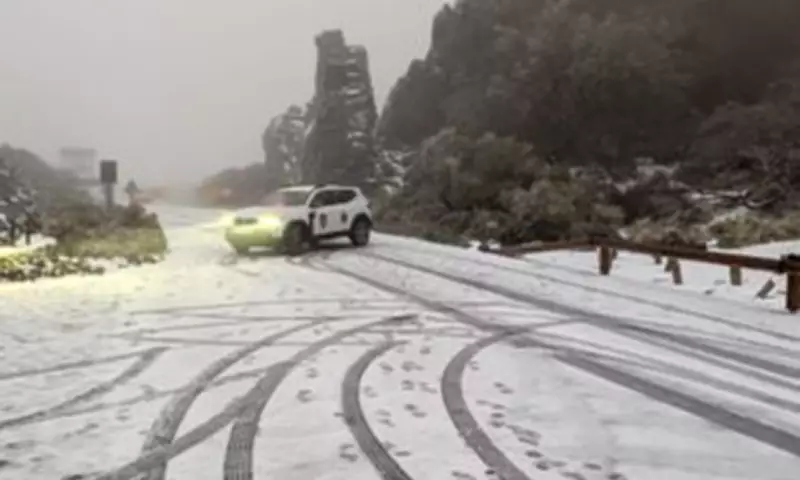
In a remarkable and unusual event, Tenerife's iconic Mount Teide has been blanketed in snow, with video footage capturing stunned tourists witnessing the transformation of this typically arid, sandy landscape. Significant additional snowfall is still anticipated as the storm persists. The island authorities have officially declared a state of emergency, activating comprehensive emergency plans. This includes the closure of critical roads, the prohibition of all hiking routes, and the shutdown of Teide National Park to ensure public safety.
Widespread Impact and Official Warnings
The storm, described by officials as the worst to strike this Spanish destination in over a decade, is expected to travel across the entire Canary Islands archipelago, with Tenerife and La Palma facing particularly harsh conditions. Gran Canaria also remains at significant risk. Spain's State Meteorological Agency, AEMET, has issued both yellow and orange weather warnings across various parts of the islands.

Forecasters indicated the storm reached its most intense phase recently, predicting up to 100mm of rainfall within a mere 12-hour period, accompanied by powerful winds and dangerously rough seas. Coastal conditions have severely deteriorated, with waves surging up to six metres in some areas, prompting warnings across several islands. Although conditions may ease slightly into the weekend, ongoing disruption is expected with further heavy rain, gusts reaching 90km/h, and waves still peaking at five metres.
Travel Implications and Safety Advisories
Many British tourists have booked holidays to the Canary Islands for the Easter break, seeking milder temperatures and endless beaches. However, local authorities are strongly urging both residents and visitors to avoid all non-essential travel, exercise extreme caution in coastal and mountainous zones, and strictly adhere to guidance from emergency services.
Regarding flight operations, services from London Gatwick and Heathrow to Tenerife have so far continued as usual, with arrivals and departures at Tenerife's North and South airports largely maintaining schedule. However, FlightRadar has reported approximately 22 delays from Tenerife North on Friday morning, and past weather events have caused significant flight disruptions, leaving future route impacts uncertain.
Official Travel Guidance and Refund Eligibility
Currently, the UK Foreign, Commonwealth & Development Office (FCDO) has not issued any specific travel advisories or warnings against travel to Tenerife or the Canary Islands in relation to Storm Therese. Only the local meteorological warnings from AEMET are in effect. The FCDO generally advises that extreme weather can affect Spain, particularly during summer months, and recommends monitoring AEMET and European Meteorological Services for severe weather alerts.
Concerning potential holiday cancellations, travellers who choose to cancel their trips due to the severe weather may not be automatically entitled to a refund, as there is no FCDO warning against non-essential travel to Spain. It is crucial for individuals to thoroughly review their specific booking terms and travel insurance policies. Some insurance providers do include coverage for natural disasters, but conditions vary widely.
Local Authority Statements and Ongoing Response
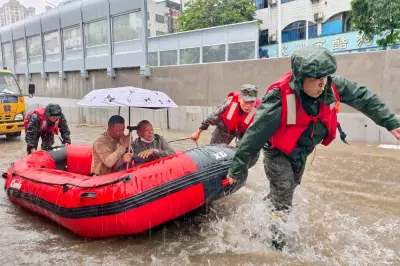
Rosa Dávila, the President of Tenerife, emphasised the need for "maximum caution" as the island's emergency response system was activated. She reported that the overnight period had been particularly damaging, with numerous incidents including falling streetlights, widespread power outages, and significant water accumulation. Several rescues were also conducted in coastal areas and ravines due to the powerful waves and rising water levels.

President Dávila confirmed that the Island Emergency Plan will remain active for as long as the orange weather warnings are upheld by meteorological authorities, underscoring the ongoing serious threat posed by Storm Therese to the region's infrastructure and safety.