The Met Office has confirmed the exact times when households can see a partial solar eclipse across the UK on Wednesday, August 12. Around 90 to 96% of the sun’s surface will be obscured by the moon, making it the largest solar eclipse visible from the UK since 1999.
Timings for major UK cities
The partial eclipse is expected to occur between around 7pm and 7.15pm, depending on location. The Met Office has pinpointed the exact timings for peak solar coverage in major cities across the UK:
- Inverness – 7.03pm, 90.74% solar coverage
- Edinburgh – 7.06pm, 90.71% solar coverage
- Newcastle – 7.07pm, 90.22% solar coverage
- Belfast – 7.08pm, 93.09% solar coverage
- Birmingham – 7.12pm, 91.79% solar coverage
- Cardiff – 7.13pm, 93.24% solar coverage
- London – 7.13pm, 91.41% solar coverage
- Plymouth – 7.16pm, 94.66% solar coverage
A solar eclipse occurs when the moon moves between the sun and the Earth, blocking the sun’s light partially or fully in certain locations. According to the Royal Observatory Greenwich (ROG), the relatively small size of the shadow cast means only a handful of countries within the path will experience it.
Once-in-a-generation event
The event on Wednesday will be the largest solar eclipse since 1999, with the next eclipse of similar size visible in the UK not due until 2081. The next total solar eclipse won’t occur until 2090, making this a once-in-a-generation chance to witness such a spectacle.
Dr Greg Brown, astronomer at ROG, said: “This eclipse is by far the best the UK has seen since the total eclipse of 1999 and we won’t be getting a better one until 2081. It’s not one to be missed!”
Weather and viewing advice
The Met Office said: “Wednesday evening brings the opportunity to witness the UK’s most significant solar eclipse since 1999. Weather conditions look most favourable across much of England and Wales, where largely clear skies should provide excellent viewing opportunities. Cloudier conditions in northwestern Scotland and western parts of Northern Ireland may obscure views at times.”
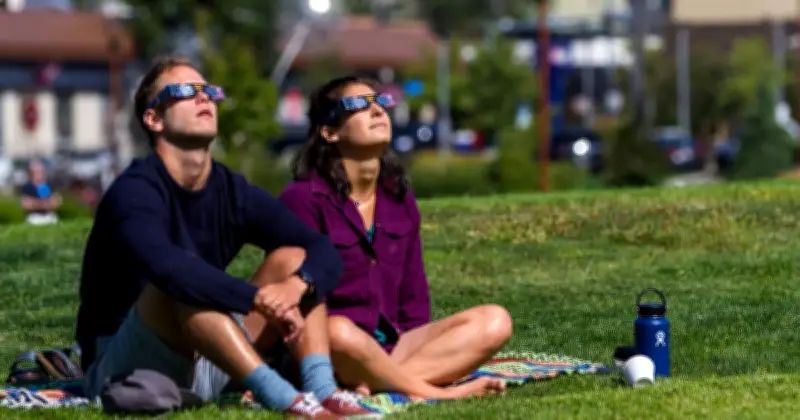
It’s important not to look directly at the sun, as it can cause damage to your eyes even when some of the sun’s intense light is blocked. Those keen to see the eclipse can watch the Royal Observatory’s free live stream, broadcast from the roof of Flamsteed House from 6.10pm, or use certified eclipse glasses.
Dr Greg Brown added: “Despite how close this eclipse will get, it still won’t be safe to watch with the naked eye. Observers must make certain to use certified eclipse glasses, a pinhole projector or use specially adapted telescopes or binoculars.”