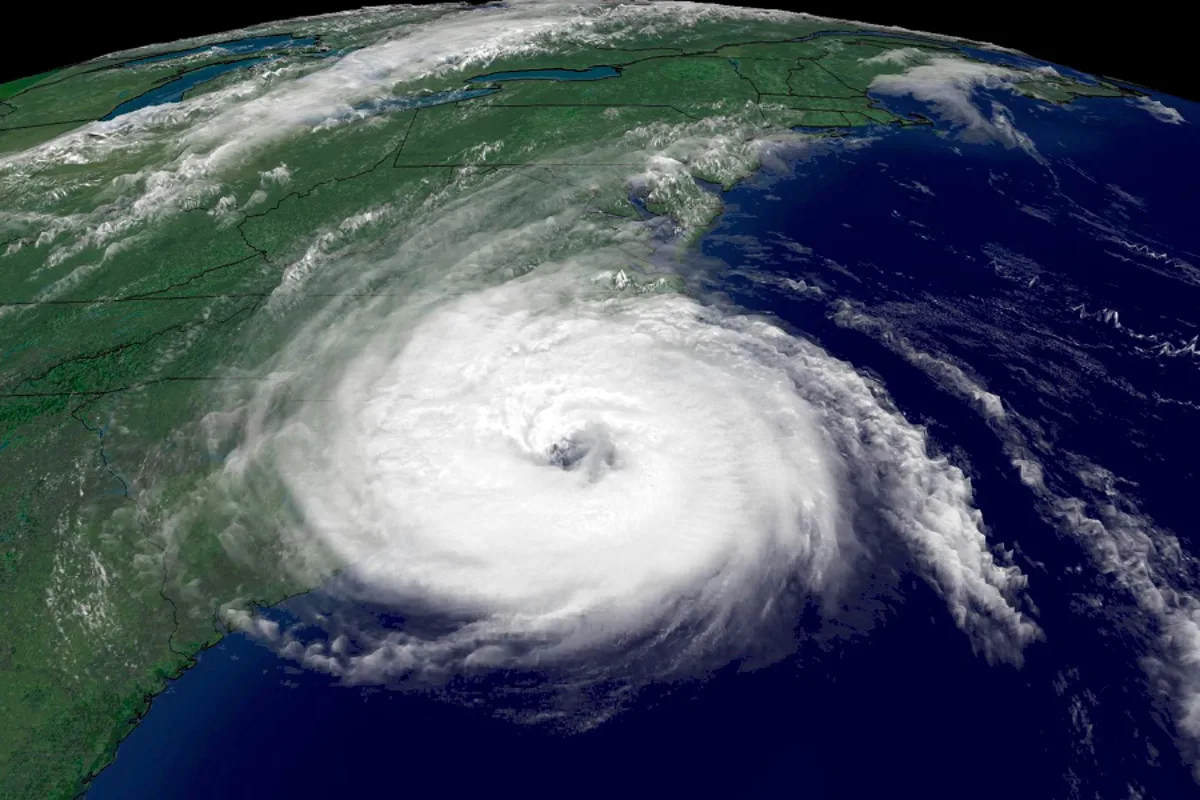
Forecasters have warned that even an average Atlantic hurricane season could still pack a major punch, particularly along the Gulf Coast and Carolinas, threatening coastal communities, energy supplies, agriculture, and billions of dollars worth of property.
AccuWeather meteorologists predict 11 to 16 named storms between June 1 and November 30, close to the long-term average. Of those, four to seven are expected to become hurricanes, and two to four could become major hurricanes (Category 3 or higher). The forecast includes three to five direct impacts on the U.S.
The northern and eastern Gulf Coast and the Carolinas are considered most vulnerable, as storms often track and make landfall there. However, the intensity and paths of storms will depend on shifting climate conditions, including a possible El Niño later this year, which typically suppresses hurricane formation, countered by warmer Atlantic waters that can strengthen storms.
The Gulf of Mexico is a critical hub for U.S. energy, accounting for roughly 13 percent of crude oil and 1 percent of natural gas output. Even weaker storms can force shutdowns of offshore platforms, as seen with Tropical Storm Barry in 2019, which curbed about half of Gulf energy production and raised oil prices. Agriculture is also at risk, particularly Florida's orange juice industry and cotton crops across the South.
Roughly 18.3 percent of U.S. homes, valued at about $8 trillion, were at risk of hurricane wind damage last year, according to Realtor.com. This exposure puts homeowners, insurers, and financial markets under strain, especially in areas repeatedly hit.