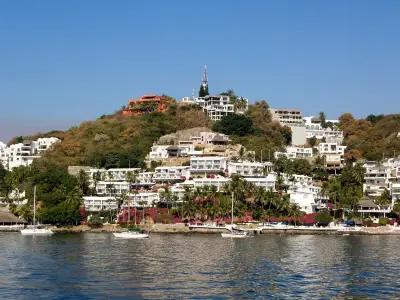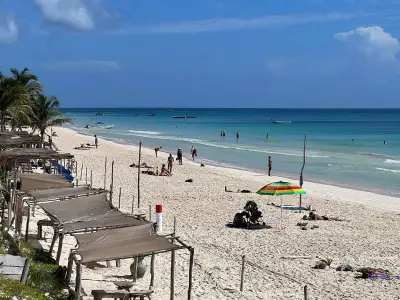
When holidaymakers gaze at a clear blue sky, they might wonder if some destinations truly offer a deeper shade of blue than others. Places such as Cape Town in South Africa and Briançon in France pride themselves on the blueness of their skies, but scientific evidence suggests Antarctica may be the ultimate winner.
The blue colour of the sky results from Rayleigh scattering, which affects light more at the blue end of the spectrum. The blue we see is simply the blue component of scattered white sunlight. However, factors such as high humidity, dust, smoke, and pollutants cause Mie scattering, which scatters light over a wide range of wavelengths, resulting in a whiter or milkier sky.
At higher altitudes, there is less atmosphere to scatter light, making the sky darker and the blue appear more intense. Spectroscopic studies have shown differences in sky colour around the world, but no thorough global survey has been conducted.
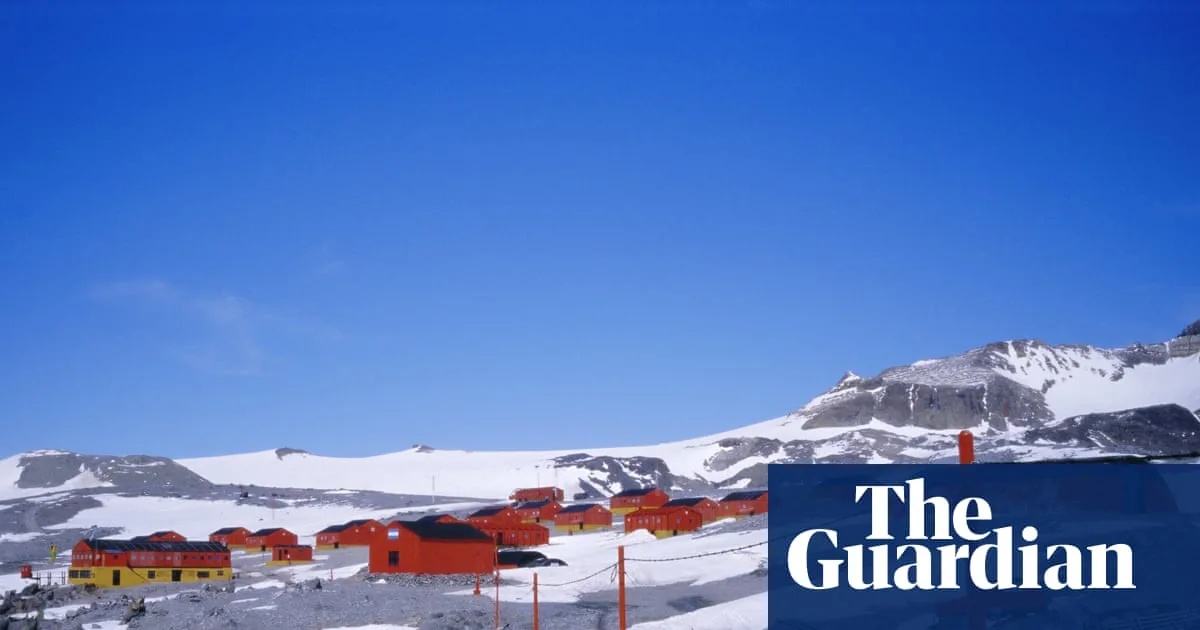
Antarctica is the likely contender for the deepest, most saturated blue sky, as it combines high altitude with extremely low humidity and pollution. Visitors are often struck by the sapphire-blue quality of the Antarctic sky. Runners-up include the Atacama Desert in Chile and the Tibetan Plateau, both noted for their altitude and dryness.