Alpine Crisis: Tourists Evacuated as Avalanche Risk Soars in Italy and Switzerland
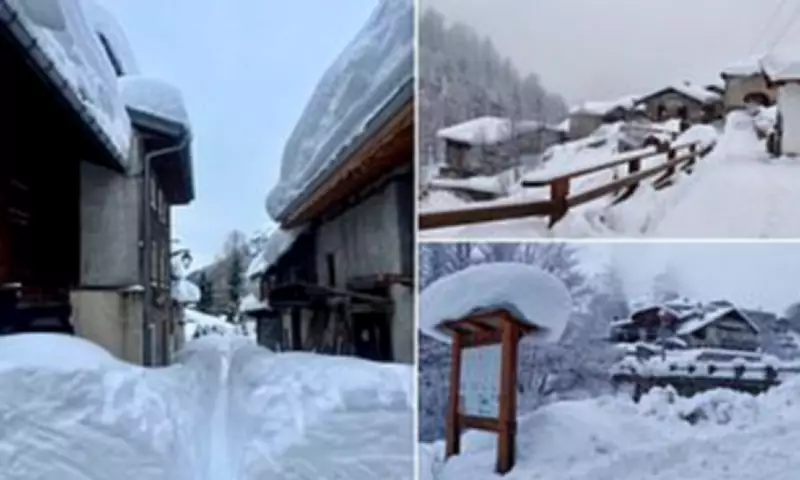
Tourists have been ordered to evacuate sections of the Italian and Swiss Alps following extreme snowfall and rapidly escalating avalanche risks, which have compelled authorities to shut down entire areas and evacuate multiple villages. In a matter of hours, weather conditions across northern Italy and Switzerland deteriorated so severely that emergency measures were implemented, including widespread road closures and mandatory evacuations.
Emergency Declarations and Evacuations
Beginning on Monday, severe snowfall across Switzerland and parts of northern Italy has created mounting operational and safety issues. Regional media reports indicate that up to 40 centimetres of fresh snow has fallen, significantly increasing the danger of avalanches. The second highest warning level is now in effect across the region, with heavy snowfall forecast to continue throughout the day.
The situation is particularly critical in Italy’s Piedmont region, where the regional government issued a municipal decree ordering the immediate evacuation of Rochemolles, a tourism-dependent town. According to reports from Bild, an access ban was simultaneously imposed, with all roads closed to both pedestrians and motorists. The Italian newspaper Il Dolomiti confirmed these measures, noting that the Rochemolles section of Bardonecchia was evacuated due to the heavy snowfall.

Approximately 40 people, including both residents and tourists, were instructed to leave the area. Some individuals managed to secure their own accommodation, while others were relocated to nearby hotels. In Switzerland, around 50 people in the municipality of Orsières were forced to vacate their lodgings after avalanche risks rose sharply, as reported by 20minuten. Those affected either returned home or found alternative accommodation in areas deemed less hazardous.
Meteorological Warnings and Historical Context
Andrea Vuolo, a meteorologist at Meteo Piemonte, issued a stark warning regarding the growing threat. He wrote on Facebook: ‘The area causing the greatest concern is the Gran Vallone, which bears strong similarities to the conditions that triggered the last major avalanche event in this area in 2018.’ During that incident, an entire road was blocked. Due to its geographical location, the high mountain valley in Piedmont is exceptionally vulnerable to heavy snowfall and avalanche danger.
Alongside the relentless snowfall, the region faces additional peril from severe winds approaching hurricane-level force. According to the regional environmental agency ARPA Piemont, gusts of up to 189 kilometres per hour were recorded at the Gran Vaudala weather station in Ceresole Reale, Italy, which sits at an altitude of 3,272 meters. Forecasters have cautioned that conditions may deteriorate further in the coming days.
Tragic Fatalities and Avalanche Incidents
This emergency situation unfolds against a backdrop of multiple tragic fatalities. Over the weekend, two skiers died after being buried in the snow following an off-trail avalanche in Italy, close to the borders with France and Switzerland. At least three skiers were caught in Sunday morning's avalanche on the Mont Blanc massif. The tragedy occurred in the Couloir Vesses, a well-known freeride route in Courmayeur, in upper Val Veny, according to Italy's Alpine Rescue.
On Friday, two Britons were among three people killed in an avalanche in the French Alps, a day after several ski resorts shut down due to the risk of snowslides. Friday's avalanche in Val-d'Isère swept away six skiers in an off-piste area of the slopes, killing one French national and the two Britons, as red alerts were issued across the Alps. Emergency services responded promptly but could not prevent the fatalities, with a resort official noting that all victims had avalanche transceivers.
Alpine Rescue reported last Monday that a record 13 backcountry skiers, climbers, and hikers died in the Italian mountains during the first week of February, including 10 in avalanches triggered by an exceptionally unstable snowpack. This underscores the severity of the current crisis and the urgent need for continued vigilance and adherence to safety protocols.