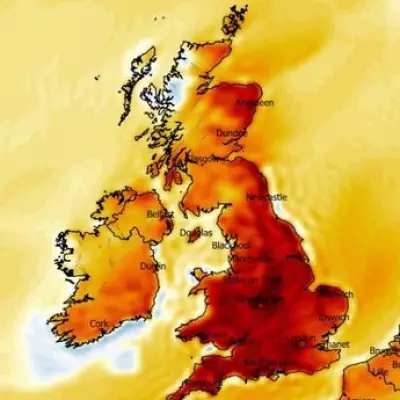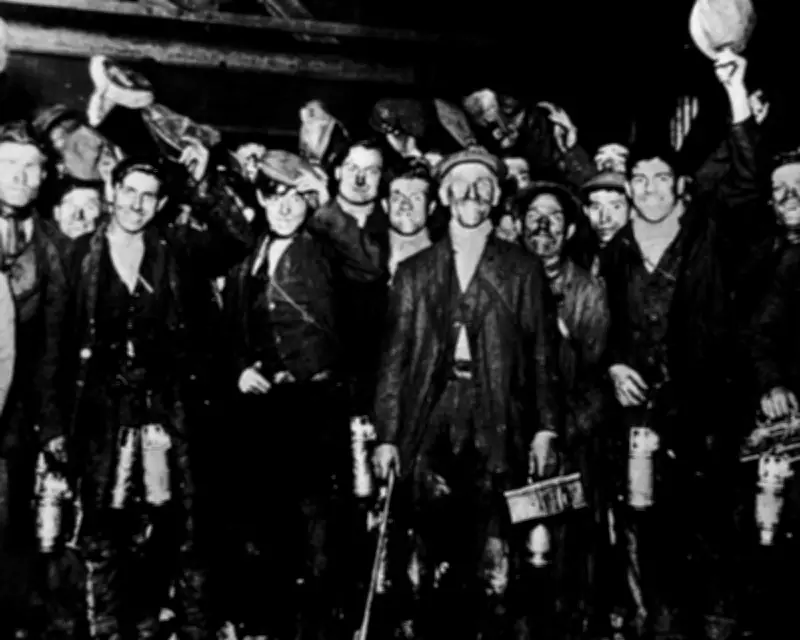
In May 1926, Britain witnessed the general strike, a monumental industrial action where the Trades Union Congress (TUC) called out millions of workers in solidarity with miners who were locked out while resisting a pay cut. This strike, spanning from 3 May to 12 May, unfolded during a period of relatively mild weather with scant rainfall. While transport faced disruptions, the fine conditions enabled many individuals to commute by walking or cycling. A coal shortage arose, yet it was mitigated by the reduced need for heating due to the warm spell.
The TUC's Decision and Aftermath
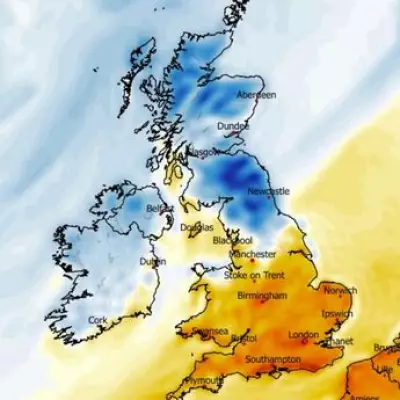
The TUC, apprehensive about potential legal repercussions and uncertain of the strike's sustainability, called off the action after nine days. Subsequently, conditions turned cold, with widespread snow in mid-May and heavy rain in the south. A warm spell followed, but temperatures plunged again at the month's end. Overall, the weather was described as "unsettled."
Hypothetical Impact of Colder Weather
An earlier and sharper cold spell might have amplified the strike's impact, exerting more pressure on the government and potentially stiffening the TUC's resolve. However, it would also have hampered attendance at demonstrations and picket lines, which were crucial for strikers' morale. Additionally, those unable to afford fuel for heating or cooking would have suffered the most. Sometimes, the British weather is on nobody's side.

This historical episode underscores the intricate interplay between weather and socio-political events, reminding us that climatic conditions can shape outcomes in unexpected ways.