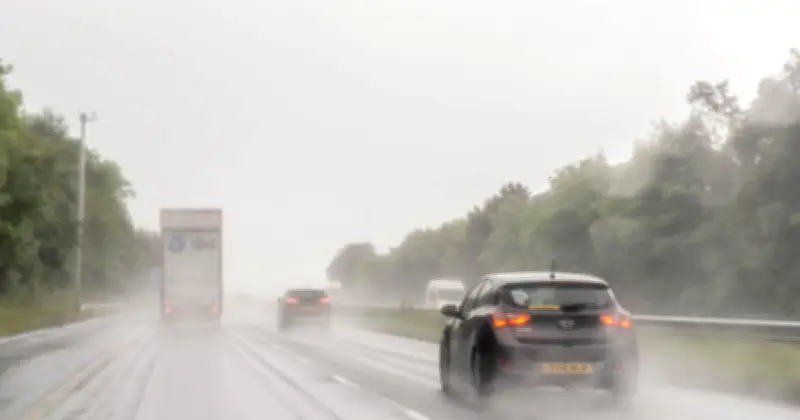
Parts of the UK have been battered by two weeks' worth of rain in just 48 hours, while the rest of Britain begins to bake again in a record fifth heatwave. Temperatures rose to 30C in south-east England on Sunday, August 9, as the UK prepares for another hot spell, while north-west Scotland has been hit by half a month's rainfall in just two days.
Record heat and torrential rain
Frittenden in Kent recorded 30.6C on Sunday, with more places expected to reach highs of up to 32C later in the day. Meteorologist Tom Morgan told the Press Association: "We've seen Frittenden in Kent reach 30.6C. We still expect temperatures to peak maybe 32C or just above this afternoon."
Forecasters said Monday will be slightly cooler, but heatwave conditions will likely return next week, with a high of 36C expected in parts of East Anglia and the South East by Thursday.
Health alerts and warnings
Health officials have warned of risks when taking some medicines, including common painkiller ibuprofen, in hot weather as they can make it harder for the body to stay hydrated, regulate temperature or cope with sun exposure. The UK Health Security Agency (UKHSA) has issued yellow heat health alerts for the East Midlands, West Midlands, South East, South West, East of England, Yorkshire and the Humber, and London. The alerts are in place until 9pm on Tuesday, but may well be extended as the hot weather continues.
Rainfall in Scotland and Northern Ireland
While drought-hit parts of England and Wales struggle, more than half a month's rainfall hit north-west Scotland in the last 48 hours, the Met Office said. Areas which saw heavy rain fall on Sunday according to Met Office maps include, but are not limited to: Glasgow, Edinburgh, Dundee, Biggar, Cumnock, Stranraer, Loch Rannoch, Fort William, Aberdeen, Berwick-upon-Tweed, and Londonderry (Derry).
"They've seen over 100mm of rain on Friday and Saturday, so the rain isn't far away and there is a little bit of rain in northern England and Northern Ireland today too," Mr Morgan added.
Summer 2026 extreme weather
The extreme weather of summer 2026 has included two record-breaking heatwaves in May and June that led to more than 2,800 excess deaths. Two more heatwaves in July, the driest July in England and Wales since records began in 1836, have fuelled drought and wildfires. Nineteen counties across England recorded effectively no rainfall – 1mm or less – across the whole of the month, with half of England and all of Wales plunged into drought.