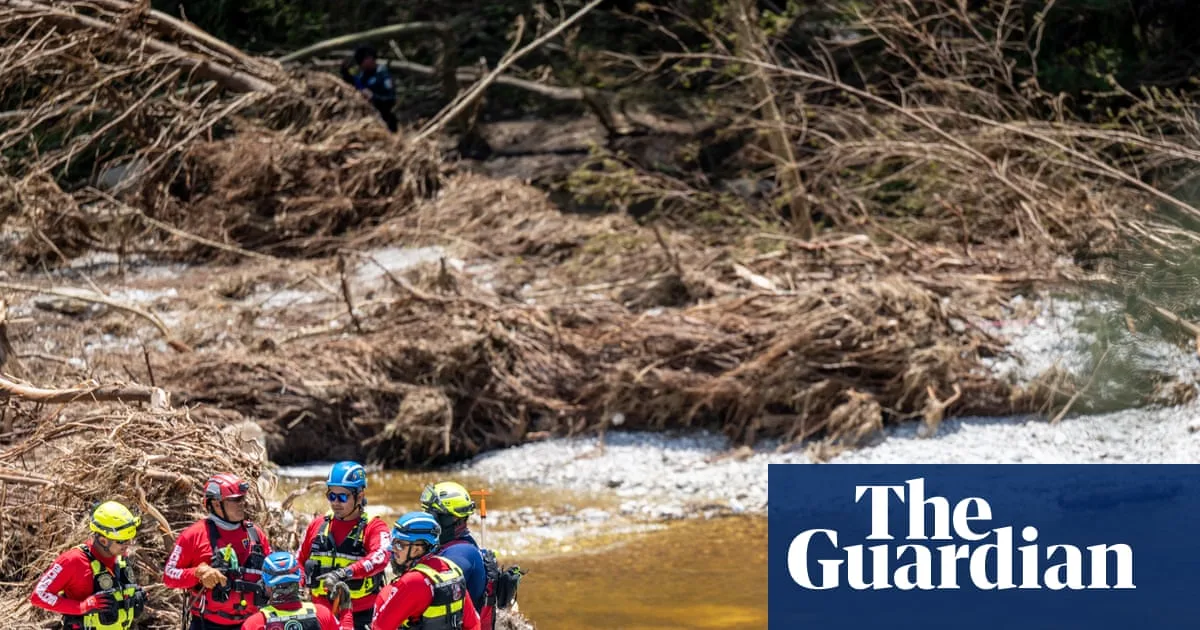
The recent catastrophic flash floods in Texas's Hill Country, which claimed over 120 lives including 27 at Camp Mystic, have highlighted the state's persistent failure to invest in preventive measures despite being the most disaster-prone in the US. Governor Greg Abbott offered condolences but stopped short of promising systemic changes, only allowing debate on flood warning systems without guarantees.
This pattern of inaction is familiar to observers of the 'Texas way'—a political culture that prioritises rugged individualism and distrust of government intervention. A bill to improve emergency alerts was killed in the state senate earlier this year due to cost concerns, leaving areas like the Hill Country without outdoor sirens that could have saved lives.
Texas faces hurricanes, heat, drought, rising seas, and flash floods, yet repeatedly fails to prepare. After the 2021 winter storm Uri that killed over 200, limited grid upgrades were made, but the state's grid operator still warns of an 80% chance of blackouts in a repeat event. Similarly, the 'Ike Dike' barrier to protect Houston from storm surges remains unbuilt 17 years after Hurricane Ike.
Professor Andrew Dessler of Texas A&M University notes that Texas spends heavily on recovery but little on prevention. With a population that has grown by 5 million since 2010 and a climate crisis intensifying extreme weather, the state's vulnerability is increasing. Texas recorded 190 billion-dollar weather disasters between 1980 and 2024, more than any other state.