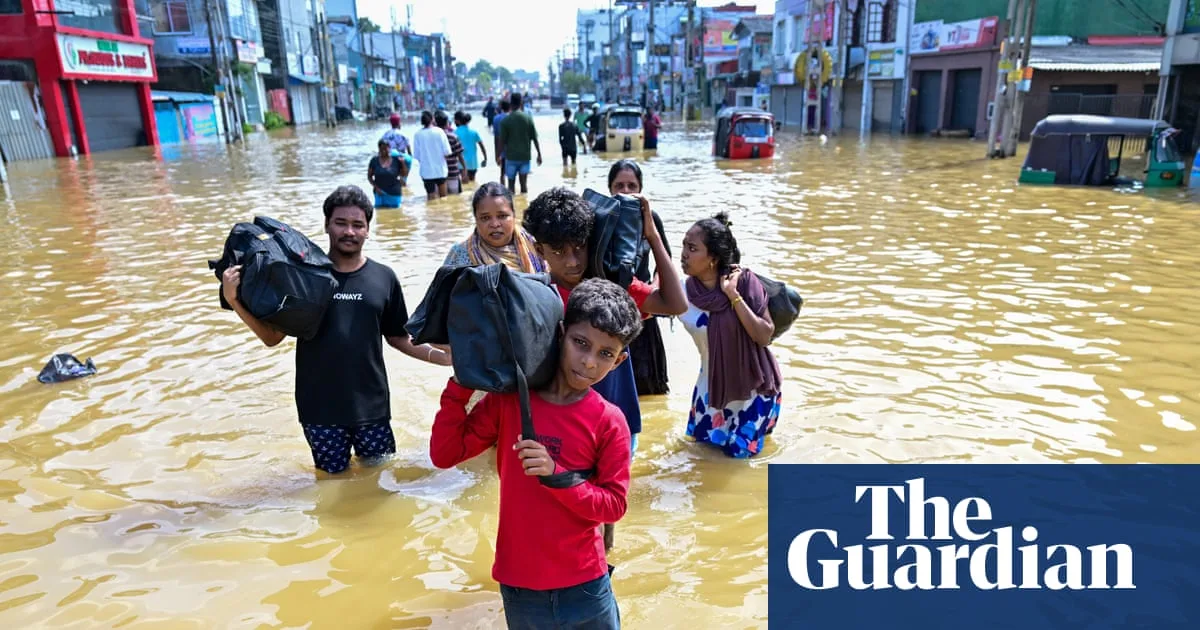
Entire areas of Sri Lanka's capital, Colombo, are flooded after a powerful cyclone triggered heavy rains and mudslides across the island. The Disaster Management Centre (DMC) reported at least 193 deaths and 228 people missing, making it the country's deadliest natural disaster in years.
The northern parts of Colombo were inundated as the Kelani River rose rapidly. A DMC official stated, 'Although the cyclone has left us, heavy rains upstream are now flooding low-lying areas along the banks of the Kelani River.' Residents like Selvi, 46, from the Colombo suburb of Wennawatte, were forced to flee their homes. 'My house is completely flooded. I don't know where to go,' she told Agence France-Presse.
In Manampitiya, 156 miles north-east of Colombo, receding waters revealed massive destruction. A 72-year-old resident, S Sivanandan, said, 'Manampitiya is a flood-prone town, but I have never seen such a volume of water.' The National Building Research Organisation warned of a high risk of further landslides due to saturated mountain slopes.
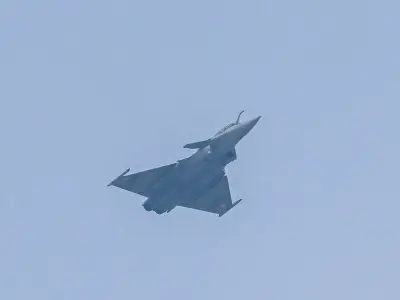
President Anura Kumara Dissanayake declared a state of emergency on Saturday and appealed for international aid. India responded first, sending relief supplies and two helicopters for rescue missions, with two more due to join. Pakistan is also sending rescue teams, and Japan pledged to send an assessment team.
The extreme weather has destroyed over 25,000 homes and forced 147,000 people into state-run shelters, while 968,000 people required assistance after being displaced. Troops from the army, navy and air force have been deployed alongside civilian workers and volunteers.
The climate crisis has affected storm patterns, leading to heavier rainfall and stronger winds. This cyclone is Sri Lanka's deadliest natural disaster since 2017, when flooding and landslides claimed over 200 lives.