NATO warplanes were compelled to scramble overnight as Russia unleashed devastating missile and drone assaults on Kyiv. At least two people were killed and seven wounded, marking the conclusion of a three-day ceasefire that had coincided with US peace negotiators visiting Kyiv.
Ceasefire ends with strikes on civilian areas
Vladimir Putin's bombardment of the Ukrainian capital threw into question remarkable assertions by the Donald Trump envoys who informed Volodymyr Zelensky that the Kremlin dictator was "ready to negotiate" and was "ready to discuss" proposals to kickstart peace talks.
Russia launched fresh attacks using drones, followed by formidable Tu-95MS and Tu-160 strategic bombers, which struck civilian areas. The upper levels of a 26-storey residential tower in Holosiivskyi district were struck, while ten residents became trapped in a five-storey building in Solomianskyi. A substantial blaze also erupted at the Tetra Pak multinational food packaging and processing plant in northern Kyiv following overnight Russian Iskander-M/Kn-23 ballistic missile bombardments.
Zelensky condemns complex attack
Russia maintained it had struck stockpiles of cruise missiles and drones in Kyiv and the Kyiv region, and targeted Chornomorsk port. Mr Zelensky said: "The attack was complex, and the Russians deliberately planned it to cause as much damage as possible to people's lives, using ballistic missiles, cruise missiles, anti-ship missiles, and Shahed drones. There is significant damage to residential buildings and other civilian infrastructure in the capital."
Poland responds with preventive measures
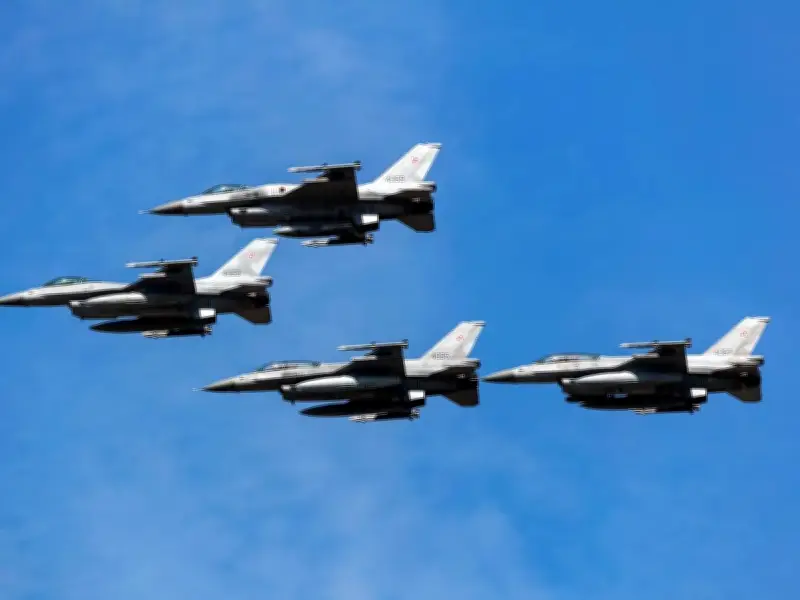
Consequently, NATO ally Poland deployed fighter jets as a "preventive" measure following the intense bombardment in neighbouring Ukraine. The Operational Command of the Polish Armed Forces stated: "Due to the activity of long-range Russian air forces conducting strikes on Ukrainian territory, military aviation has begun operating in Polish airspace."
Ground-based air defence and radar reconnaissance systems have reached a state of readiness. These operations are preventative in nature and are aimed at securing and protecting airspace, particularly in areas adjacent to the threatened areas.