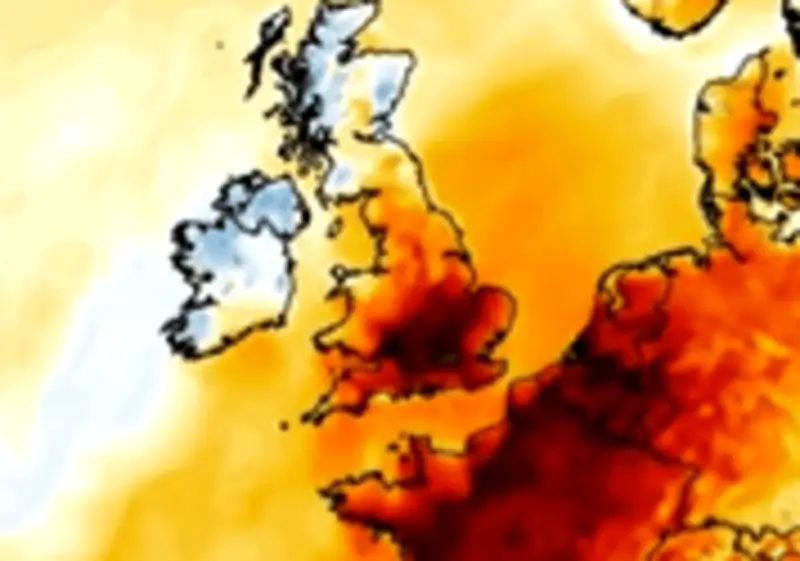
The latest weather forecast predicts a nine-day heatwave for London and the South East starting this Saturday, July 4, with temperatures expected to reach at least 28°C, according to BBC Weather's two-week forecast released on Thursday, July 2. This would mark the second heatwave in the capital within three weeks, following a record-breaking high of 36.4°C recorded at Heathrow on Friday, June 26, which surpassed the previous London June record of 35.6°C set in Camden in 1957. On the same day, the Met Office recorded 37.7°C in Lingwood, Norfolk, setting a new UK June temperature record.
What Is Causing the Heatwave?
The anticipated hot spell is driven by an area of high pressure centered over the subtropical Atlantic, known as the Azores High. This weather system is expanding towards the UK, drawing hot air from the south and preventing Atlantic storm systems from reaching the region. As a result, London and surrounding areas will experience prolonged warm and dry conditions.
Health Warnings and Alerts
On Wednesday, the UK Health Security Agency (UKHSA) issued a yellow heat health alert for parts of England, including London, effective from 12pm on Saturday, July 4, until 5pm on Wednesday, July 8. The alert covers the East Midlands, east, south-east, and south-west England. The UKHSA warned that within the warning area, minor impacts are likely across health and social care services due to the high temperatures, including increased use of healthcare services by vulnerable people and a greater risk to life for the same group. The agency also cautioned about a potential increase in water-related incidents, such as risks from cold water shock and drowning.
Risks for Asthma and Hay Fever Sufferers
Allergy UK has warned that people living with asthma or hay fever may experience "thunderstorm asthma," a phenomenon where thundery weather causes high winds to bring pollen and pollution into the atmosphere. These particles can be inhaled deep into the lungs, triggering or worsening asthma symptoms. Amena Warner, head of clinical services at Allergy UK, stated: "Most people with hay fever will experience their normal range of symptoms – sneezing, runny nose and itchy eyes, but these will be more extreme. However, more worryingly, hay fever can cause asthma symptoms to worsen and thunderstorm conditions can cause even mild symptoms to become severe, such as difficulty breathing and chest tightening." She advised those affected to be prepared and diligent in taking allergy treatments and medications, and to seek medical help immediately if they experience difficulty breathing.
Precautions and Recommendations
To reduce the risks associated with thunderstorm asthma, Allergy UK recommends staying indoors before, during, and after a storm, wearing a mask outdoors to reduce pollen exposure, taking usual medication, keeping a reliever inhaler on hand, and monitoring asthma symptoms for any deterioration. As the heatwave approaches, residents are urged to stay hydrated, avoid prolonged sun exposure during peak hours, and check on vulnerable neighbours and family members.