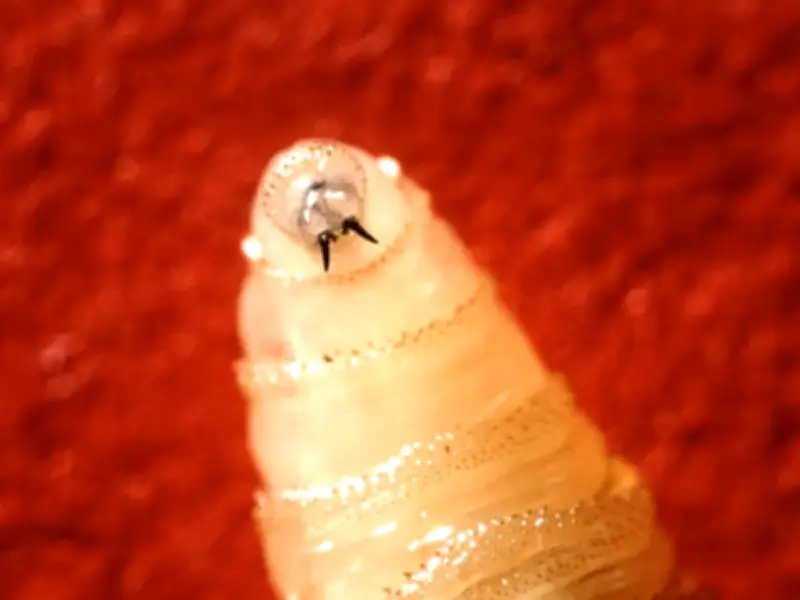
A horse in southern Texas has become the first documented equine in the United States to be infected with New World screwworm, a flesh-eating parasite that burrows into open wounds and feeds on living tissue. The infected working horse was found in Presidio County, and officials are now working to contain the disease.
Parasite resurfaces after decades
The screwworm, a fly larva, was eradicated from the country decades ago but resurfaced in June this year. The flies hatch hundreds of larvae directly into open wounds, and within hours the maggots begin eating the host's living tissue from the inside out.
After a screwworm was found in a calf near the border, the infestation has spread throughout Mexico. The US Equestrian Foundation advised: “Check horses daily, keep wounds clean and covered as directed by your veterinarian, use veterinarian-recommended fly control products and limit fly access with physical barriers such as fly masks, sheets and clean stabling practices when appropriate.”

Restrictions and response
The Texas Animal Health Commission has enacted restricted animal movement out of infested zones. Of 49 US cases this year, all but one have been in Texas.
In June, Texas Governor Greg Abbott declared a disaster, and the Trump administration opened a sterile fly dispersal facility in Edinburg to help fight the outbreak. If female screwworm flies mate with a sterile fly, their offspring won't be viable, curbing the population.
Wider impact and prevention
The parasite has also affected humans in Central America and Mexico, with thousands of cases reported by authorities. The crisis began last year in southern Mexico, directly along migrant caravan routes used to cross into the US.
The US previously eradicated the pest in 1982 using a biological weapon that sterilised male flies with radiation. Before eradication, the parasite cost the US livestock industry an estimated $1.8 billion in today's money.
Warning signs of infestation include painful sores that won't heal, foul odours, and the sensation of maggots moving inside wounds. Experts advise keeping cuts covered, wearing long sleeves, using heavy-duty bug spray, and sleeping behind protective screens.