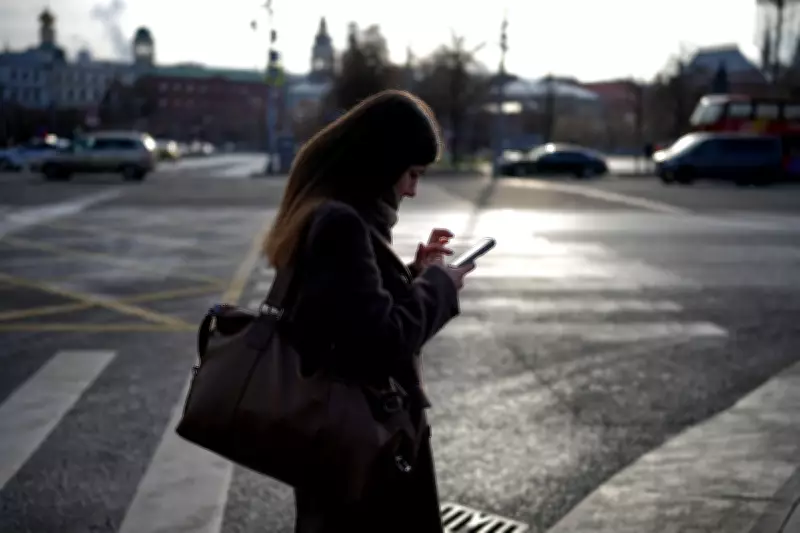
Russia is poised to escalate its stringent measures against Virtual Private Networks (VPNs), which millions of its citizens rely on to circumvent state-imposed internet controls and censorship. Digital Minister Maksut Shadayev has officially confirmed decisions to restrict access to an unspecified number of major foreign platforms, with the explicit goal of reducing VPN usage across the nation.
Part of a Broader Internet Crackdown
This latest move is a significant component of what has been termed Russia's "great crackdown" on digital freedoms. Over recent years, authorities have systematically blocked popular messaging services such as WhatsApp, deliberately slowed down the Telegram platform, and repeatedly disrupted mobile internet connectivity. These actions reflect a concerted effort to tighten state control over online information and communication channels.
Impact Since the Ukraine Invasion
Since the 2022 invasion of Ukraine, Russia has enacted a series of repressive laws aimed at curbing dissent and controlling the digital landscape. By mid-January, more than 400 VPN services had been blocked, marking a staggering 70 per cent increase from the figures recorded in late last year. This rapid escalation underscores the Kremlin's determination to limit access to uncensored information and foreign media sources.

Kremlin's Justifications for Restrictions
The Kremlin has publicly defended these restrictive measures, citing two primary reasons. Firstly, officials claim that such controls are necessary to counter potential security threats, including Ukrainian drone strikes, by preventing the use of encrypted communications. Secondly, they argue that foreign platforms have consistently failed to comply with Russian laws, particularly those related to data localization and content moderation. However, critics view these justifications as pretexts for broader censorship and suppression of free speech.
Consequences for Russian Citizens
The intensified crackdown has had tangible effects on everyday life in Russia. For instance, Russian travelers recently experienced a 24-hour mobile internet blackout, highlighting the vulnerabilities and disruptions caused by these policies. As VPN access becomes increasingly restricted, millions of users may find themselves cut off from global social media, news outlets, and other online resources, further isolating the country's digital ecosystem.
This ongoing strategy not only impacts individual freedoms but also poses challenges for businesses and international relations, as Russia continues to navigate its complex relationship with global technology firms and regulatory standards.