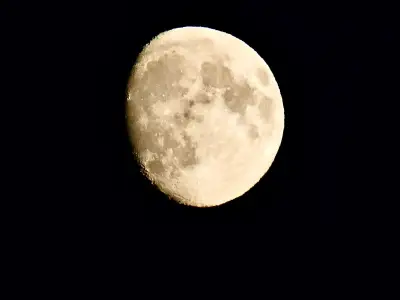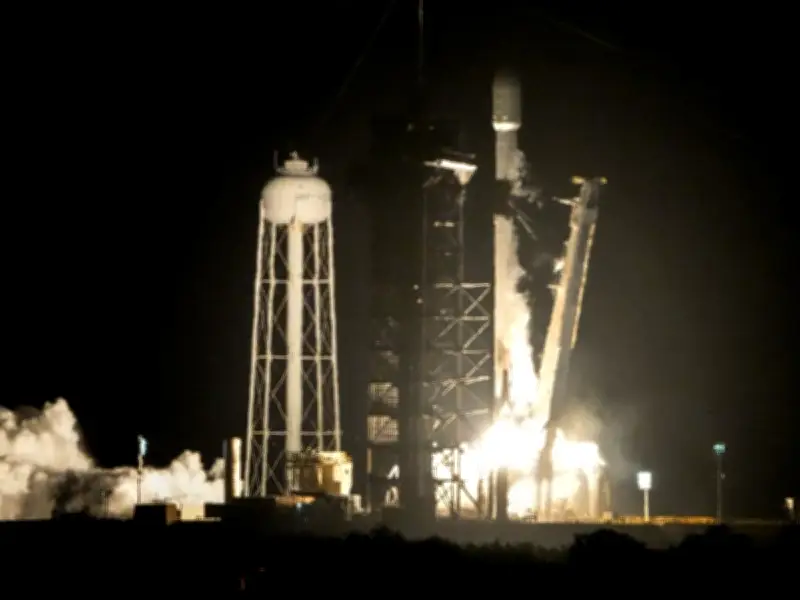
A discarded SpaceX Falcon 9 rocket stage has crashed into the Moon at an estimated speed of 5,400mph, raising concerns about the growing threat of space debris to future lunar missions. The impact occurred at around 6.35am GMT on Wednesday, unleashing a dramatic flash upon collision.
The empty upper stage, weighing roughly 4,000kg (630st) and measuring the size of a five-storey building, had been drifting in a wild, looping orbit since launching two lunar landers from Florida in January last year. Over an 18-month period, gravitational pulls from the Earth, Moon and Sun gradually nudged the rocket onto its final crash course.
No immediate danger, but future risks loom
SpaceX insisted the smash-up was unintentional, and no humans were in harm's way this time. However, experts warn that the lunar environment is rapidly becoming a cosmic trash heap, with potentially serious consequences for future human colonies.

Dr Megan Argo, an astrophysicist at the University of Lancashire, told the Daily Star: "Right now, this collision will have no risk to life as there are no humans on the Moon, nor are there landers or other equipment in the projected impact location."
She added: "But as more and more missions head to the Moon, an increasing number of spent rocket parts will end up on potential collision courses with it. If we are planning to build a base and have it crewed long-term, the last thing you want is for it to be accidentally damaged by a piece of space junk."
Historic sites under threat
With superpowers and private firms racing to build lunar habitats, satellite networks and mining operations, experts fear even precious history, like Neil Armstrong's legendary first footprint or the Apollo 11 landing site, could be pulverised by flying debris.
Dr Argo said: "It's possible, although the chance is very small. Currently, not much debris hits the Moon. But there is more future activity planned on and around the Moon that would make debris impacting an early historical landing site more likely. If a similar rocket stage hit a manned habitat at high speed, the results could be serious."
Mitigation efforts underway
The astrophysicist stressed that space agencies are waking up to the danger. Commercial companies are developing methods of catching and removing defunct satellites and other hazardous pieces of debris before they can cause a collision or crash.
Dr Argo noted: "The increasing awareness of this problem is pushing all space actors to improve how they dispose of their rockets." Operators must reserve enough fuel to guide spent rockets into controlled re-entries.
However, future Moon dwellers will still need to keep one eye on the sky. Dr Argo said: "An emerging and important aspect of operations for the space sector is what is known as 'space situational awareness'. Future bases will have to deal with this as one of the risks involved in operating in space, even if the chance is small."