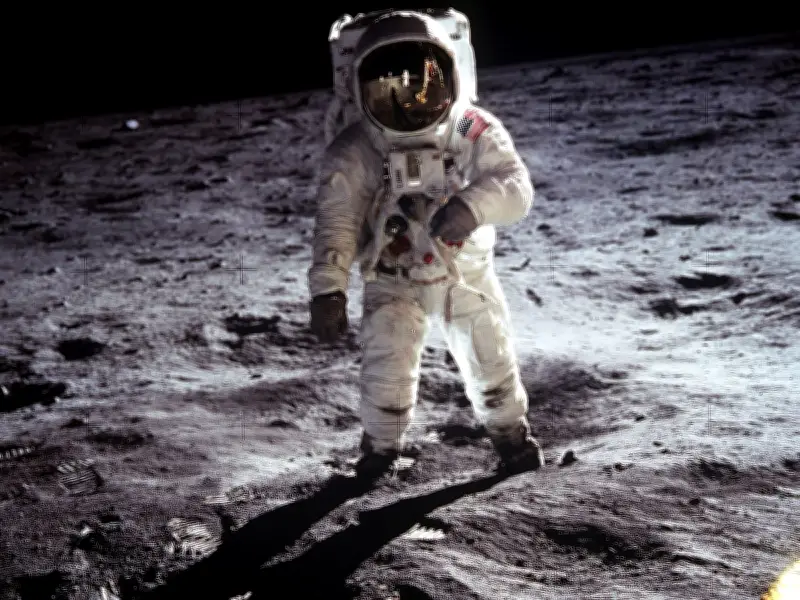
The modern space race is no longer about national prestige but commercial economics, with a rocket now leaving the ground somewhere on Earth every 29 hours in 2026. This marks a significant shift from the Cold War era, when the US and USSR competed for superior spacecraft capability.
From Political Point to Commercial Demand
Tudor Williams, chief technical officer at Filtronic, a company building systems for commercial space operators like Elon Musk's Starlink, explained the difference: "The Cold War race was about two governments proving a political point, and once that point was made, momentum dropped away."
"What's happening now is being driven by genuine commercial demand, satellite broadband, reusable rockets, cheaper access to orbit, so it's more sustainable and it's opening space up to a much wider range of players, not just two nations. That said, the pace is hard to ignore," he added.

US Dominates Launches and Spending
According to research from Accu, the US is currently dominating proceedings, having launched 195 successful missions in 2025, against China's 90 and Russia's 17. The US spends an estimated $79.7 billion a year across NASA and defence, dwarfing China's estimated $19.9 billion and Russia's $3.4 billion.
UK's Role in the New Space Economy
Dr Williams argues that the UK is "one of the biggest satellite-building nations in the world, which doesn't get talked about enough." He highlighted the National Satellite Test Facility, allowing satellites to be tested domestically rather than shipped abroad, and noted "genuine momentum behind UK launch capability too."
"On the supply chain side, we've had strong backing from the UK Space Agency for our own work, which reflects a wider push to build sovereign capability across the sector," he said.