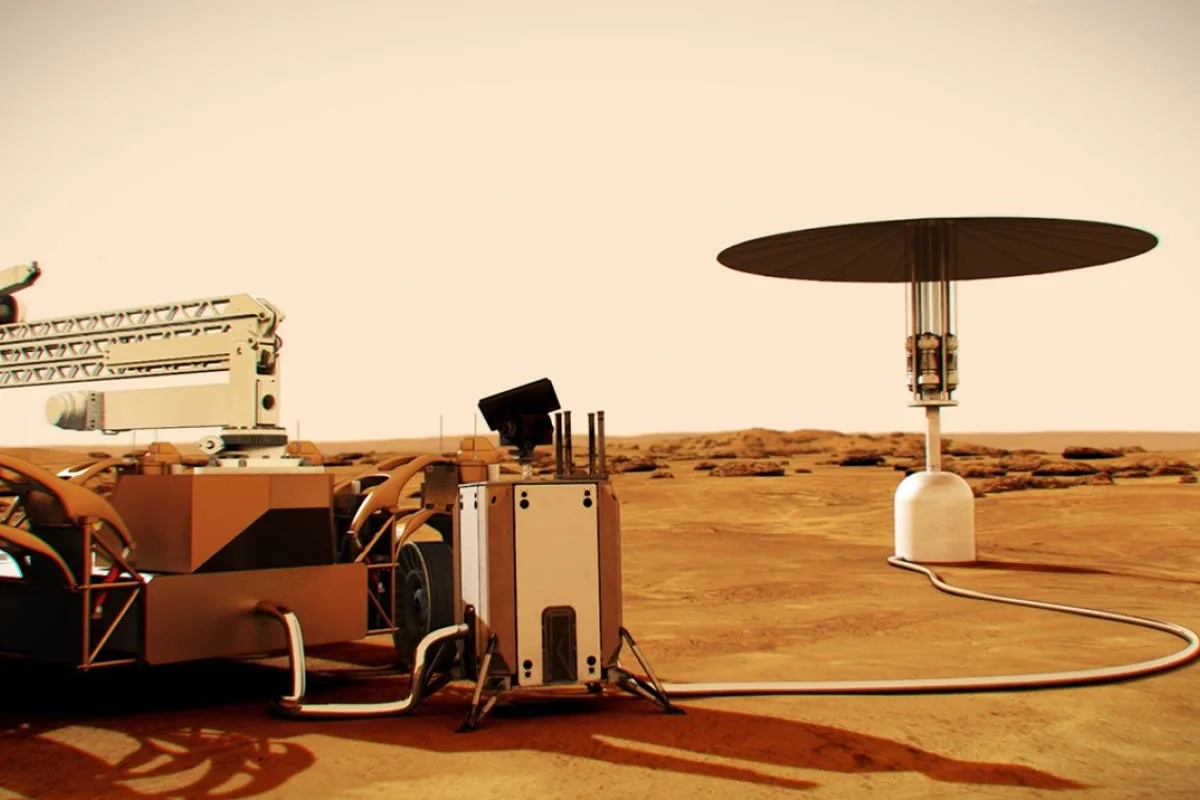
The National Aeronautics and Space Administration and the US Department of Energy have signed a memorandum of understanding to develop a nuclear fission reactor on the lunar surface by 2030. The reactor is intended to power the Artemis campaign and future missions to Mars.
The announcement follows a December executive order emphasising 'American space superiority'. Energy Secretary Chris Wright described the project as 'one of the greatest technical achievements in the history of nuclear energy and space exploration'. Jared Isaacman, newly confirmed NASA administrator, stated, 'Achieving this future requires harnessing nuclear power.'
Former Acting Administrator Sean Duffy had previously pushed to expedite the timeline after China and Russia announced plans for a lunar nuclear reactor by 2035. Duffy warned that the first nation to deploy such a reactor could declare a 'keep-out' zone, hindering US plans.

NASA initially aimed for a reactor within a decade in 2021, later targeting early 2030s for launchpad delivery. The reactor, based on fission technology from the 1950s, will split uranium atoms to generate heat converted to electricity, providing at least 40 kilowatts—enough for 30 households for a decade. It must operate years without refuelling and be lightweight and compact.
Some experts have questioned the feasibility. National security analyst Joseph Cirincione noted previous Trump-era promises of a 2026 reactor. Former NASA associate administrator Dr Bhavya Lal said it 'requires serious commitment'. However, Idaho National Laboratory's Sebastian Corbisiero believes a 2030 deadline is 'doable'.