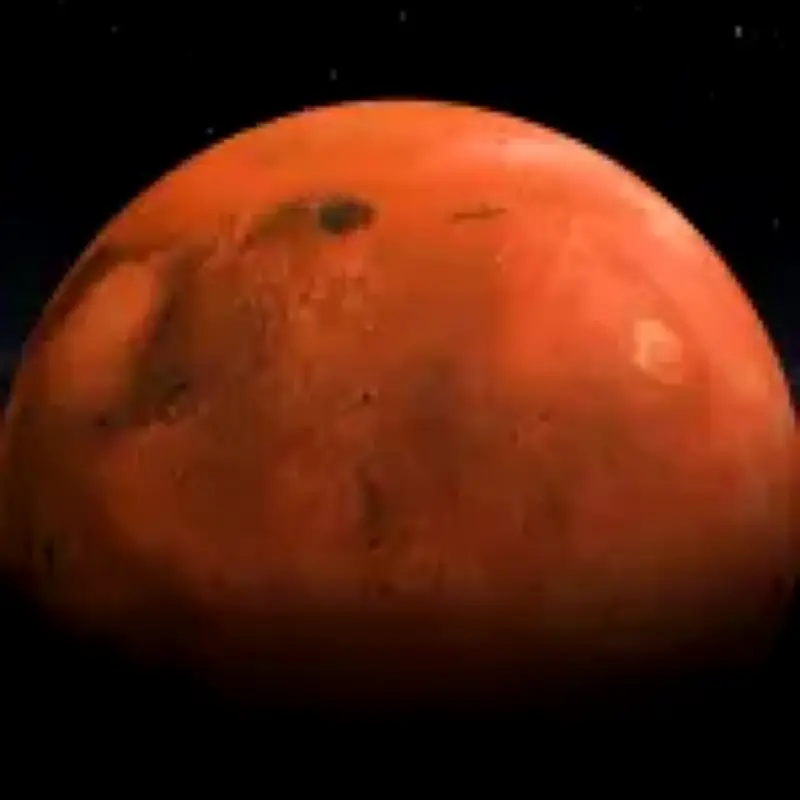
New evidence of volcanic activity on Mars suggests the planet may have been habitable more recently than previously thought, according to a study published in the journal Science Advances. The discovery, made by a European Space Agency (ESA) orbiter, points to the presence of hydrothermal systems that could have supported life.
Hydrogen chloride gas detected
In 2021, scientists detected tiny traces of hydrogen chloride swirling in Mars' atmosphere. While the gas is corrosive and irritates human skin, it is emitted by magmatic vents on Earth. The presence of hydrogen chloride suggests that molten rock may still be churning within Mars.
Professor Daniel Mège, a Mars researcher at Poland's Academy of Sciences and co-author of the study, said the gas is released in seasonal bursts, peaking during the Northern Hemisphere's winter and almost vanishing in summer. However, hydrogen chloride was consistently found near volcanic fissures on the flanks of Alba Mons, a volcano in Mars' Northern Hemisphere, during the summer.
Hydrothermal systems and life
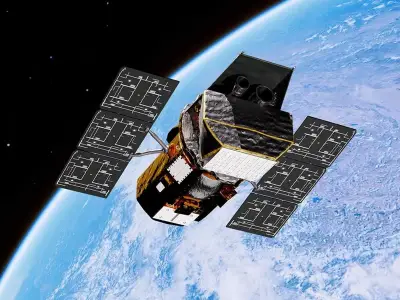
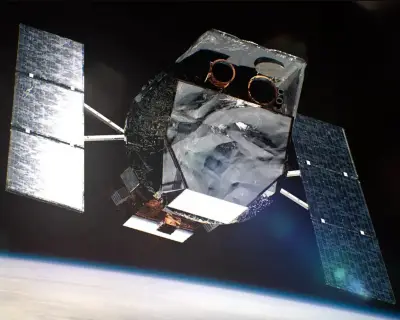
Professor Mège and his team used the CasSSIS camera on the ExoMars Trace Gas Orbiter to spot fresh and narrow fissures, some hundreds of metres long. The gas may be generated by magmatic activity, which could indicate hydrothermal systems. On Earth, these systems involve hot fluids under the ground, revved by magmatic gas, producing chemical reactions that could create the ingredients for life.
“Hydrothermal systems are known on Earth for being the main, or one of the main environments where life emerged,” Professor Mège told Metro. “On Mars it could be the same.”
Implications for habitability
Colin Wilson, a planetary scientist at the ESA, told Metro that the magma could melt ice and make habitable “niches.” He said, “If these gas emissions are occurring until the present day, perhaps Mars may have been habitable more recently than previously thought.”
Professor Mège stressed that the findings need to be double-checked with more observations. He added that digging might be needed to find life, “perhaps 20cm, perhaps 100m.” The big unknown is time, as forming life from existing materials requires extensive chemistry, possibly taking hundreds of thousands or tens of millions of years.