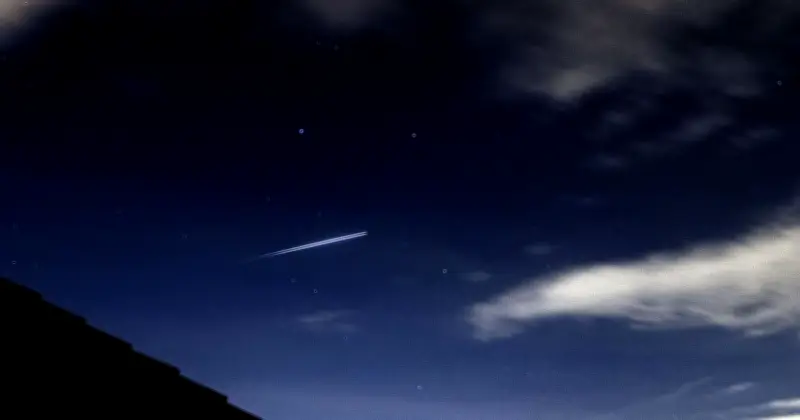
Stargazers in the UK could witness a rare double meteor shower this week as two annual events peak on the same night. The Southern Delta Aquariids and the Alpha Capricornids will both reach maximum activity overnight on Thursday into Friday, creating a rare double display in the night sky. When Earth moves through streams of dust and debris left by comets, tiny particles enter the atmosphere and burn up, producing brief flashes of light known as shooting stars.
Rare Double Meteor Shower
The annual events occur as Earth moves through streams of dust and debris left behind by two comets. When these tiny particles enter the atmosphere, they burn up high above the ground, producing the brief flashes of light known as shooting stars. However, this year's display comes with a challenge. The meteor shower peak arrives just one night after July's full Buck Moon, meaning the Moon's bright glow will make many of the fainter meteors much harder to see.
Bright Fireballs Expected
Despite the bright lunar conditions, skywatchers could still be treated to a dramatic spectacle thanks to the Alpha Capricornids, which are famous for producing spectacular fireballs. Larger fragments can create bright, long-lasting streaks as they travel across the sky. The American Meteor Society said: "The Alpha Capricornids are active from July 12 through August 12 with a 'plateau-like' maximum centered on July 31st." It added: "This shower is not very strong and rarely produces in excess of five shower members per hour. What is notable about this shower is the number of bright fireballs produced during its activity period. This shower is seen equally well on either side of the equator."

Best Viewing Tips
The showers are best viewed from the Southern Hemisphere, but people in the UK should still have a chance of spotting some shooting stars if conditions are favourable. The Southern Delta Aquariids get their name from the constellation Aquarius, where the meteors appear to radiate from near the bright star Delta Aquarii. The Alpha Capricornids appear to originate from the constellation Capricornus. For those hoping to see the display from the UK, the best time to head outside is after midnight on Thursday, when both constellations will climb higher above the southern horizon. Although the meteors appear to come from Aquarius and Capricornus, observers do not need to look directly at either constellation. Instead, experts recommend finding a clear view of the southern sky, as meteors can appear across a wide area. Because the Moon will still be 98 per cent full during the peak, the best chance of seeing the fainter meteors will come from finding a location away from streetlights and other sources of light pollution. Skywatchers should allow their eyes at least 20 to 30 minutes to adjust to the darkness and avoid looking at phones or other bright screens, which can reduce night vision. There is also no need for binoculars or a telescope. Simply lying back in a reclining chair or on a blanket gives the naked eye the widest possible view of the sky.