On the morning of 28 January 1986, millions around the globe watched the Space Shuttle Challenger prepare for launch. The mission initially appeared routine, with Commander Francis Scobee calmly confirming to mission control, 'go throttle up'. Just three seconds later, however, came the final transmission from the cockpit.
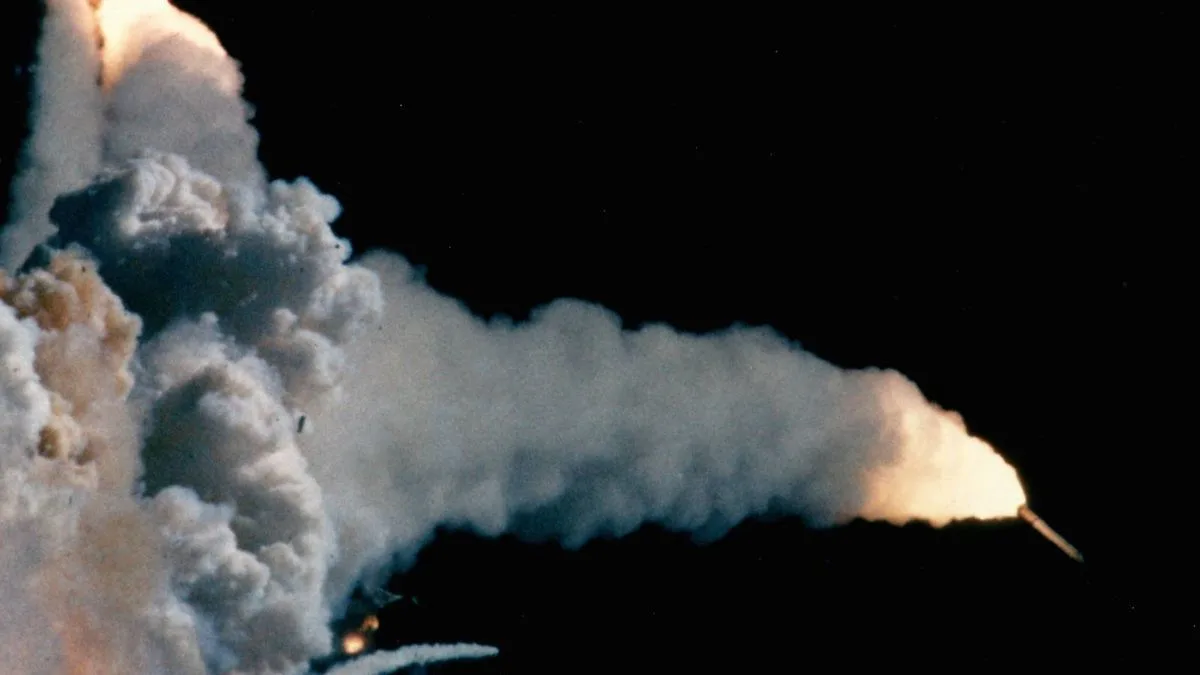
Pilot Michael Smith uttered only two words – 'uh oh' – before the shuttle was engulfed in fire and tore apart just 73 seconds after launch, killing all seven astronauts on board. For decades, many believed the crew were killed instantly in an enormous explosion, but later evidence painted a far more disturbing picture.
Challenger did not explode in the traditional sense. A booster failure allowed scorching gases to escape, weakening the external fuel tank and causing the vehicle to break apart. Crucially, the crew compartment did not disintegrate immediately; it is believed to have broken free largely intact, continuing to rise for around 25 seconds before falling into the Atlantic Ocean.

Investigators later discovered that several astronauts' personal air packs had been switched on manually, raising the horrifying possibility that at least some crew members were alive and conscious after the initial breakup, aware they were falling helplessly to Earth. NASA maintained that a sudden loss of cabin pressure may have caused rapid unconsciousness, but experts noted that physical evidence did not fully support that explanation.
What is certain is that the impact with the ocean was unsurvivable. The crew compartment struck the sea at immense speed, ending the ordeal. The remains of the astronauts were recovered from the ocean floor, though the exact details of their final moments have never been publicly disclosed.