Toddler Skincare Videos on TikTok: A Dark and Exploitative Trend Exposed
Toddler Skincare Videos on TikTok: Exploitative Trend Exposed

Toddler Skincare Videos on TikTok: A Dark and Exploitative Trend Exposed

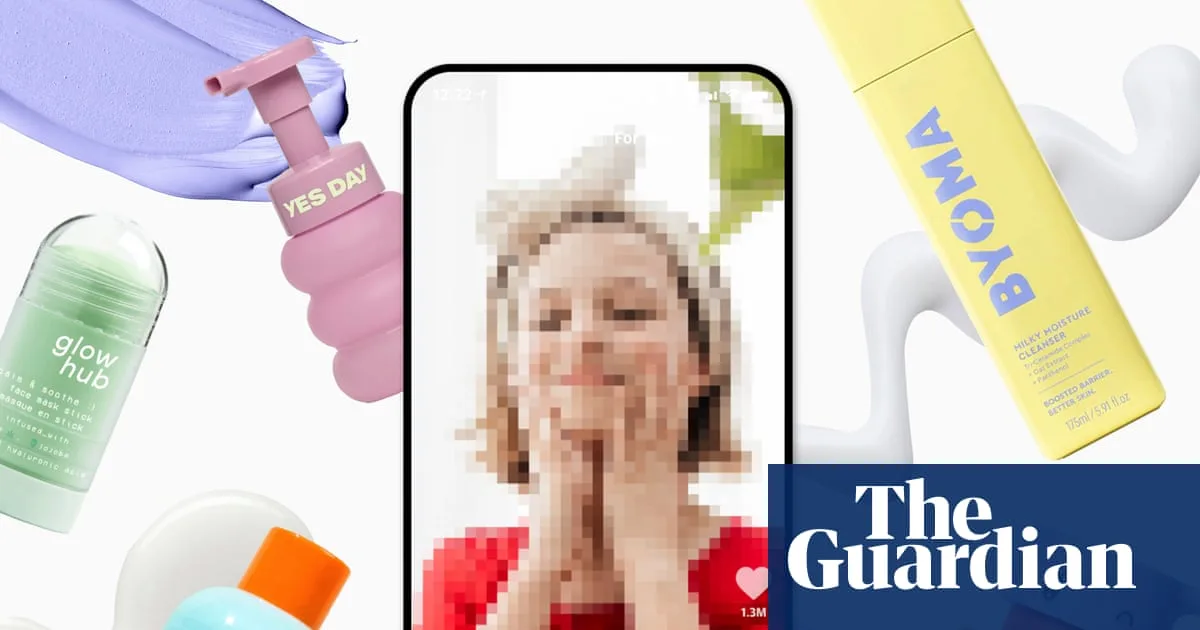
Skincare videos featuring children as young as two have been identified on TikTok, according to a Guardian investigation, sparking fears about the beauty industry's reach and the absence of safeguards for child influencers. The analysis highlights a troubling trend where young children are used to demonstrate routines, often resembling advertising without clear disclosures.

Scale of the Issue

The research examined 7,600 skincare-related posts on TikTok, finding that 400 videos included routines or advice presented by children believed to be under 13. Among these, at least 90 posts featured under-fives, including babies and toddlers. More than 1,000 videos involved individuals believed to be under 18, accounting for nearly one in seven videos in the sample. Many of these posts did not clarify the relationship between the child and the brand, but they frequently mirrored promotional content.

Health and Ethical Concerns

Dermatologists have warned that children do not require multi-step skincare routines, and this trend is fostering anxiety about appearance at increasingly young ages. One dermatologist noted a rise in reassuring children that perceived blemishes are normal skin. In one analysed video, a primary-school-age child performs a skincare routine before school, aiming for "glass skin," while another shows a mother prompting her two-year-old to say "welcome to my skincare" before applying moisturiser, using the hashtag "toddlersoftiktok."

Wide Pickt banner — collaborative shopping lists app for Telegram, phone mockup with grocery list

Regulatory Gaps and Industry Response

Child performers in traditional media are protected by labour laws, but no comparable regulations exist for social media influencers. Victoria Collins, an MP and Liberal Democrats' spokesperson, described the findings as "deeply disturbing" and part of a "dark and exploitative corner of the internet." She criticised the "dangerous double standard" where child influencer content generates significant views and sales without proper oversight.

The Guardian's analysis follows an investigation by the Italian competition authority into brands like Sephora and Benefit Cosmetics, owned by LVMH, regarding skincare sales to children. LVMH stated it would cooperate with authorities but declined further comment. Evidence suggests many young influencers receive free products in exchange for posts, with programmes open to minors.

Brand Involvement and Safeguards

Some brands have responded to concerns. Pipa skincare, targeting tweens aged eight to 12, said it does not support content featuring very young children and requires parental involvement for minors. Glow Hub emphasised its focus on older audiences and implemented safety measures. Bubble clarified it does not encourage young children in skincare content, noting its products are for a wider age range. Byoma stated its core consumers are adults aged 18 to 35.

However, brands like Rini and Pipa have launched products for young children, with dermatologists labelling such moves as "dystopian." Benefit Cosmetics did not respond to requests for comment on a video where a mother claimed her 10-year-old daughter used their product.

Engagement and Advertising Risks

Analysis revealed that videos featuring young children have a higher engagement rate, with 55,400 likes, shares, and comments per video compared to a sample-wide average of 36,000. However, videos with adults alone garnered more views. Separate data from TikTok's ad library showed Boots mistakenly targeted users aged 13 to 17 with retinoids, not advised for young skin. Boots attributed this to human error and reaffirmed its age-based controls.

Calls for Stronger Regulations

Chi Onwurah, chair of the Commons' science, innovation and technology committee, highlighted the rise in unregulated promotion of beauty products to children, including harmful ingredients like retinols. She called for a more robust online safety regime. A government spokesperson acknowledged the need for further action, citing a consultation on measures such as age limits and social media bans to protect children online.

Pickt after-article banner — collaborative shopping lists app with family illustration

The Guardian's monitoring involved tracking skincare-related hashtags from October to November last year, using AI tools and manual review to assess videos. While not comprehensive, the study provides a snapshot of children's visibility in skincare content on TikTok, underscoring urgent concerns about exploitation and safety in digital spaces.