TikTok Beauty Duo Sparks Outrage by Charging Fans for Product Testing
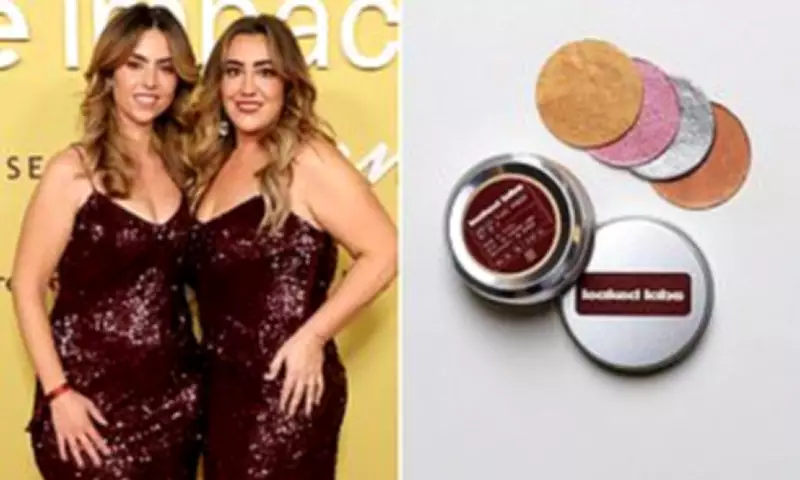
The TikTok beauty community is embroiled in a heated controversy as popular creators, known as the 'Lipstick Lesbians,' face intense backlash for their unconventional business strategy. Married business partners Alexis Androulakis and Dr. Christina Basias Androulakis, who boast 1.2 million followers on TikTok, have ignited a firestorm by charging customers to act as a focus group for their newly launched beauty brand, Leaked Labs.
Unprecedented Business Model Divides BeautyTok
Traditionally, brands offer free products or even compensation to loyal customers for pre-launch testing. However, the Lipstick Lesbians have flipped this model on its head, requiring followers to pay $34 plus shipping for what they describe as an exclusive experience. This involves purchasing unfinished prototypes of their innovative product, a pigment disc marketed as 'the world's first flexible powder,' inspired by 'perfectly supple lasagna.' The glittering powder can be applied dry or wet for a metallic shimmer and is touted as environmentally friendly due to its slow-dissolving properties.
The launch, dubbed Leak 001: Amplify Flexi Powder on March 6, quickly sold out, but not without sparking widespread criticism. BeautyTok users and Reddit commentators have labeled the move a 'mega terrible launch,' citing issues from patchy formulas to unappealing colors. Many expressed frustration over the messy application process and questioned the hygiene of handling the discs directly.

Expert Weighs In on the Controversy
Celebrity beauty expert Brittney Bennett, founder of Be Bronze studio, has publicly criticized the approach. With a decade of experience in product development, Bennett argues that the Lipstick Lesbians are 'missing the mark.' She emphasizes that in today's digital age, where consumers freely provide feedback through reviews and social media, there is an expectation of compensation, not payment, for participation.
Bennett suggests alternative methods, such as creating content around real-life reactions at events or festivals, rather than monetizing the testing phase. She believes this strategy makes consumers feel like the brand is 'trying to shortcut the process,' undermining trust and engagement.
Backlash and Defensive Response
The online wrath forced the Lipstick Lesbians to address the controversy in a staged press conference, where they defended their model. They claimed customers are not paying to test an unfinished product but to join 'beauty's largest public group that's being documented.' However, this explanation failed to appease critics, who pointed out that focus groups are typically paid for their time and feedback.
Angry comments flooded social media, with one user stating, 'This made it worse. No need to talk down to us,' and another calling the tone 'disrespectful.' Despite the backlash, the product's initial success highlights a divide in the beauty community between those embracing innovation and those demanding traditional consumer respect.
As the debate rages on, it remains to be seen whether this controversial strategy will pave the way for new beauty business models or serve as a cautionary tale for brands navigating the volatile world of social media commerce.