The romantic comedy ideals of serendipitous encounters and soulmates may be a thing of the past, according to research into contemporary dating culture. Dr Lisa Portolan, who has studied dating apps and intimacy for nearly a decade, notes that participants once described their desired love using romcom tropes: eyes meeting across a crowded room, accidental meetings in parks or coffee spilled on strangers. They would name films such as '10 Things I Hate About You' and 'Bridget Jones's Diary', with Jennifer Lopez often cited as the epitome of luminous romance.
But that aspirational vision has faded. One participant in Portolan's early research observed: 'Romcom love is for hot people. The dating apps are for the rest of us.' A decade later, the tone has shifted further. Dating apps are no longer seen as a consolation prize but as the only venue for romance. The meet-cute has been culturally retired, replaced by what Portolan describes as 'romantic dread' – the expectation that dating will be exhausting, ambiguous and disappointing.
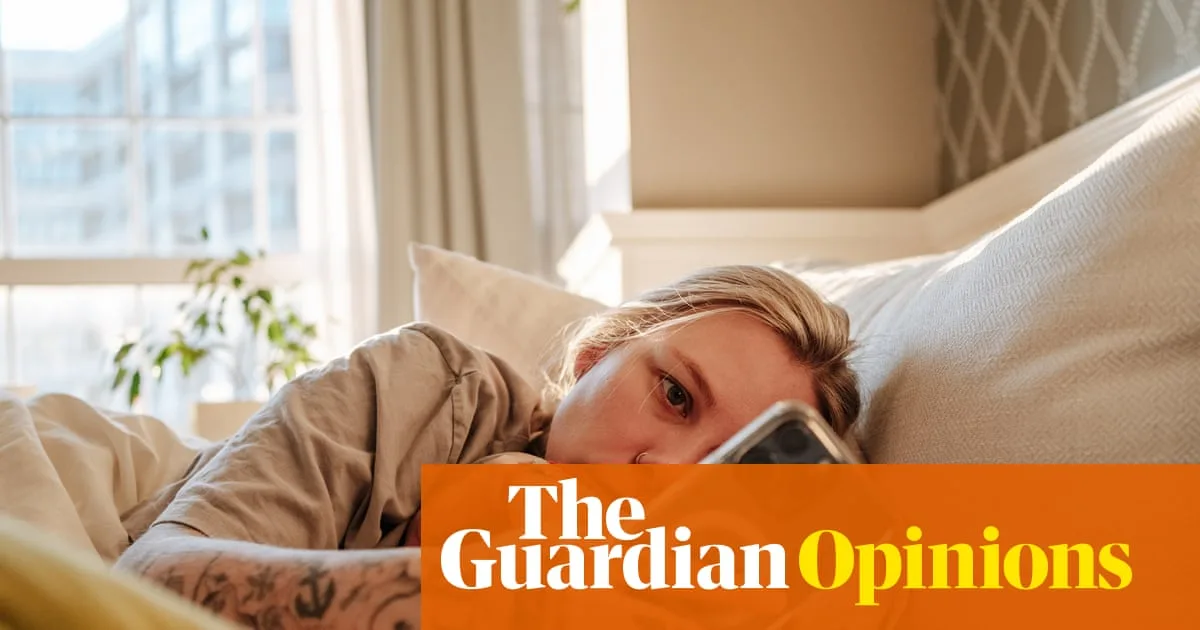
This shift is inseparable from the technological environment. Romance now arrives via notifications and the soft friction of a thumb against glass. Ghosting is so routine it barely registers as rejection. As one participant explained: 'Why would you let someone reject you in real life when you can just disappear online?' Dating apps have industrialised relationship anxiety, fostering a persistent belief that a better option is always one swipe away – fertile ground for relationship OCD, a common topic on Reddit and TikTok.
The broader cultural mood has also changed. Long-term romantic optimism feels indulgent when the world seems on the precipice. Cinema reflects this: films like 'Marriage Story' and 'The Lobster' dissect relationship struggles and dystopian coupling. 'The Worst Person in the World' captures romantic indecision. Contemporary films increasingly assume love is not worth striving for, contrasting with the saccharine milestones of earlier decades.
Portolan identifies a paradox: the desire for connection persists, but cultural narratives that sustained romantic optimism have eroded. Romantic aspiration has been replaced by romantic management. Yet the swiping continues – people download apps, delete them, and reinstall when bored. The doomscroll has replaced the meet-cute, and modern dating is governed more by dread than by hope.