An investigation has revealed that brands are increasingly using AI-generated influencers on social media to promote products, often without disclosing that the people featured are not real. The findings have prompted calls for greater transparency, as consumers may be misled into believing they are seeing genuine customer experiences.
The Guardian found that some content creators making AI influencer content are required to sign non-disclosure agreements, preventing them from discussing their work. Currently, there are no specific rules in the UK requiring brands to label AI-generated advertising content, unlike the EU, where new rules under the Artificial Intelligence Act will mandate clear labelling of deepfakes from August.
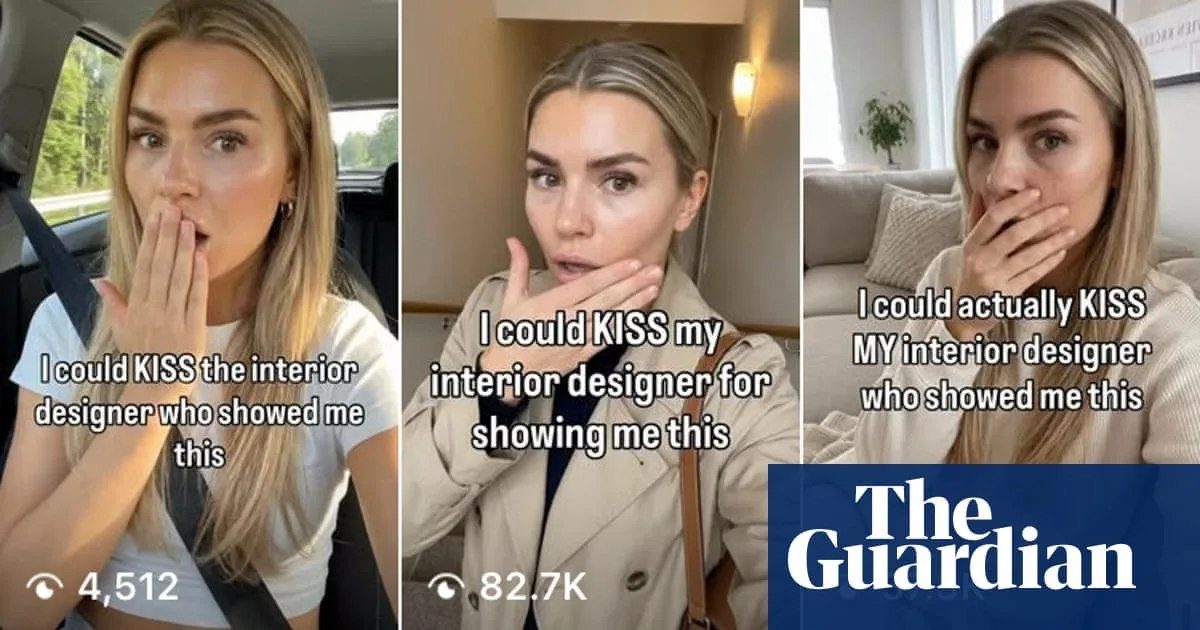
Examples of AI-generated influencer use include the photo app Once, which appears to have used AI-generated brides in Instagram videos promoting its service. Another video features an AI-generated woman endorsing the Maket app for interior design. Maket described the use of AI influencers as an experiment to test marketing concepts. Fashion brand Ashle posted an image of a woman with an extra finger, later deleting it after being contacted by the Guardian.
Consumer group Which? expressed concern, noting that 70% of people in a recent study could not correctly identify all real and fake videos. Editor Lisa Barber stated: "It is concerning that consumers are not able to trust the content they are seeing online. Companies must be transparent when content has been created using AI."
The Advertising Standards Authority (ASA) confirmed there are no specific rules prohibiting undisclosed AI-generated promotional content, but stressed that such content must not be misleading or socially irresponsible. The ASA said it would assess complaints based on whether the use of AI results in a misleading impression, rather than the use of AI itself.