The Rise of 'Posturing Parenting': Emoji-Faced Children and Performative Privacy
Posturing Parenting: Emoji-Faced Kids and Performative Privacy

The Rise of 'Posturing Parenting': Emoji-Faced Children and Performative Privacy

An egg. A red heart. A smiley face. Even a red devil. No, this is not a cryptic message or digital flirtation – these are the symbols increasingly used by parents on social media to obscure their children's faces. A new trend dubbed 'posturing parenting' has emerged, where parents share images of their offspring while covering their features with emojis, claiming to protect privacy while still broadcasting family life.

The Viral Critique of Performative Privacy

Journalist Sierra Tishgart recently went viral with a TikTok rant about this phenomenon, calling it "visually heinous" and accusing parents of posturing. "You're posturing parenting, while you're also saying, 'I'm above you, because I vaguely care about privacy,'" she argued. The trend appears to have trickled down from Hollywood celebrities to everyday social media users, creating a curious contradiction between sharing and concealing.

Celebrity adoption has certainly fueled the movement. Blake Lively, Orlando Bloom, Kristen Bell, and Kourtney Kardashian have all participated. During a Disney trip last year, Meghan and Harry placed large pink hearts over Archie and Lilibet's faces – a security measure about as watertight as a sieve, given everyone already knows what their children look like. Even Mark Zuckerberg, who has spent years reassuring the public about social media safety, regularly covers his children's faces with emojis, creating what many perceive as performative privacy that feels unsettling rather than reassuring.

Wide Pickt banner — collaborative shopping lists app for Telegram, phone mockup with grocery list

The Contradiction of Sharing While Hiding

It's remarkably easy to judge parents for their decisions, yet this particular trend seems to invite scrutiny. The practice sends a mixed message: "Look at my perfect family having fun and making memories, but don't look too closely because we really care about our children's privacy." As performative parenting goes, it ranks highly. After all, if parents didn't post any images of their children, how would the world know how conscious they are about protecting digital footprints? Or that they stayed at that glorious Cotswolds hotel last weekend?

The core issue appears to be inconsistency. If parents are comfortable sharing photographs of their children on social media, that's their choice – and many followers enjoy seeing those smiling or grumpy little expressions. If they feel strongly about privacy, as many do with young children, the logical approach is to refrain from posting pictures altogether. Some parents announce newborns with unidentifiable images but stop sharing as children become toddlers – a reasonable compromise.

When Emoji Faces Become Performance

There's something particularly performative about repeatedly sharing emoji-faced children. It feels like demonstrating concern for followers while still reaping validation through likes and comments. Over a recent bank holiday, Carrie Johnson shared an Instagram photograph with her four children on the steps of their Oxfordshire home, each face obscured by a heart. She has understandably expressed worries about people identifying her children with Boris Johnson in public – which raises the question: why post the image at all?

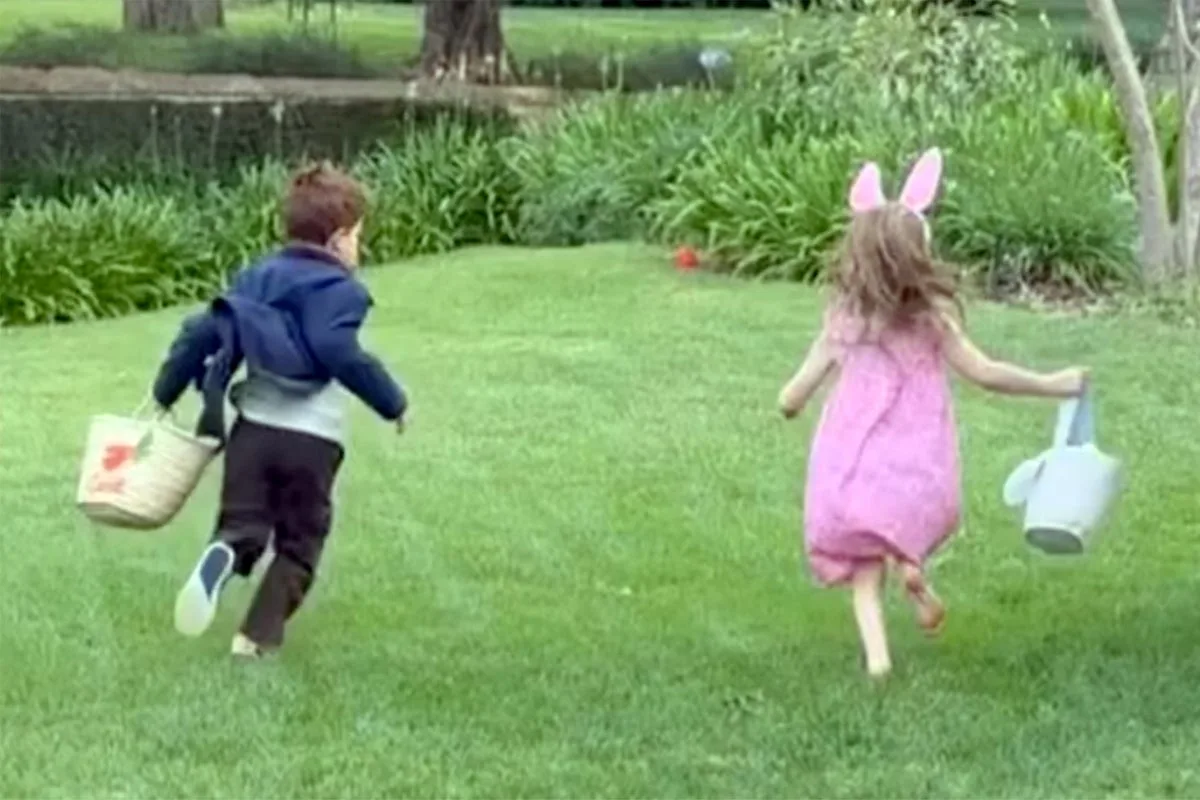
The same contradiction appears in birthday party photographs where "Happy 4th Birthday Rafi!" accompanies images where every child is obscured by yellow faces. If one wanted to imagine Lisa Simpson's birthday, they could simply Google it. A slightly less ostentatious version involves photographing children from behind or the side, as the Duchess of Sussex has done twice recently – perhaps genuinely safer since emojis can be removed by those with malicious intent.

What This Trend Reveals About Modern Parenting

Perhaps this phenomenon says more about observers than those sharing their beloved little eggheads on Instagram. Maybe we should applaud the de-facing of children and be grateful that future employers won't identify them as toddlers with chocolate smeared across their hands and faces. After all, the practice isn't harming anyone – it's just slightly smug. And as we know, smugness might be considered the worst parenting crime of all.

Pickt after-article banner — collaborative shopping lists app with family illustration

The debate continues as parents navigate the complex terrain of sharing family moments while protecting children's digital footprints. Whether through emojis, strategic angles, or complete abstinence from posting, each approach reflects broader anxieties about privacy, performance, and parenting in the digital age.