The Evolution of Pancake Day: From Modest Tradition to Social Media Spectacle
Once a humble domestic ritual marking the eve of Lent, Shrove Tuesday has undergone a dramatic transformation in the digital age. What was traditionally a simple act of using up eggs, milk, and fat before forty days of fasting has become a stage for social media performance and culinary competition.
The Historical Roots of Shrove Tuesday
The very name "Shrove" derives from the Old English word "to shrive," meaning to confess one's sins. Medieval Christians would participate in confession before embarking on their Lenten fast, creating a spiritual cleansing that paralleled the physical clearing of pantry ingredients. This religious foundation has largely faded for contemporary observers, yet the ritual retained elements of practical household management.
For generations, British Pancake Day was characterized by modest expectations and imperfect execution. The typical experience involved slightly rubbery crêpes, often undercooked at the center, liberally doused with lemon juice and granulated sugar. School dinner ladies would serve these creations with industrial efficiency, while home cooks navigated smoke alarms and burnt offerings with resigned humor.

The Algorithmic Transformation
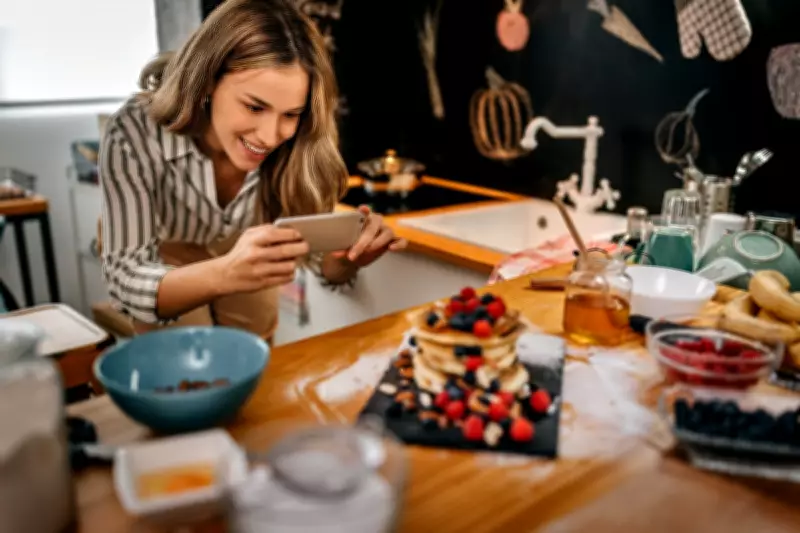
The advent of social media platforms, particularly Instagram, has fundamentally altered how we approach this annual tradition. Where once pancakes were consumed quickly at kitchen counters, they are now meticulously crafted for digital consumption. The thin British pancake has been largely supplanted by towering American-style stacks designed not primarily for eating but for filming and photographing.
Contemporary Shrove Tuesday content thrives on visual extravagance: slow-motion syrup cascades, cross-section reveals of molten fillings, and elaborate toppings ranging from pistachio cream to specialty chocolates. This digital spectacle represents a complete inversion of the tradition's original purpose—what began as an exercise in restraint has become an arms race of culinary excess.
The Cultural Shift in Domestic Rituals
This transformation reflects broader changes in how we approach food culture and domestic traditions. Where previous generations tolerated imperfection and embraced the chaotic, joyful incompetence of Pancake Day, contemporary culture demands optimization and shareability. The smartphone has effectively collapsed the distance between cooking and broadcasting, turning even minor traditions into content opportunities.
Christmas carries immense cultural expectations, Easter has been commercialized extensively, and even Bonfire Night now features artisanal treats. Pancake Day once stood apart as a refreshingly uncompetitive food tradition—a universal experience of sticky fingers and culinary mishaps that leveled social distinctions through shared imperfection.
Rediscovering Simplicity in a Curated World
In an era where domestic rituals are routinely curated, filtered, and judged for their online appeal, there remains value in preserving traditions that demand little beyond basic participation. The original Pancake Day required no special ingredients, no professional techniques, and no audience beyond immediate family.
This year, perhaps there is merit in returning to the simple pleasures of slightly shriveled lemons, ordinary granulated sugar, and pancakes that are thin, uneven, and likely to trigger smoke alarms. In doing so, we might reconnect with what made this tradition endure: not its visual appeal or shareability, but its humble celebration of imperfection and seasonal rhythm.