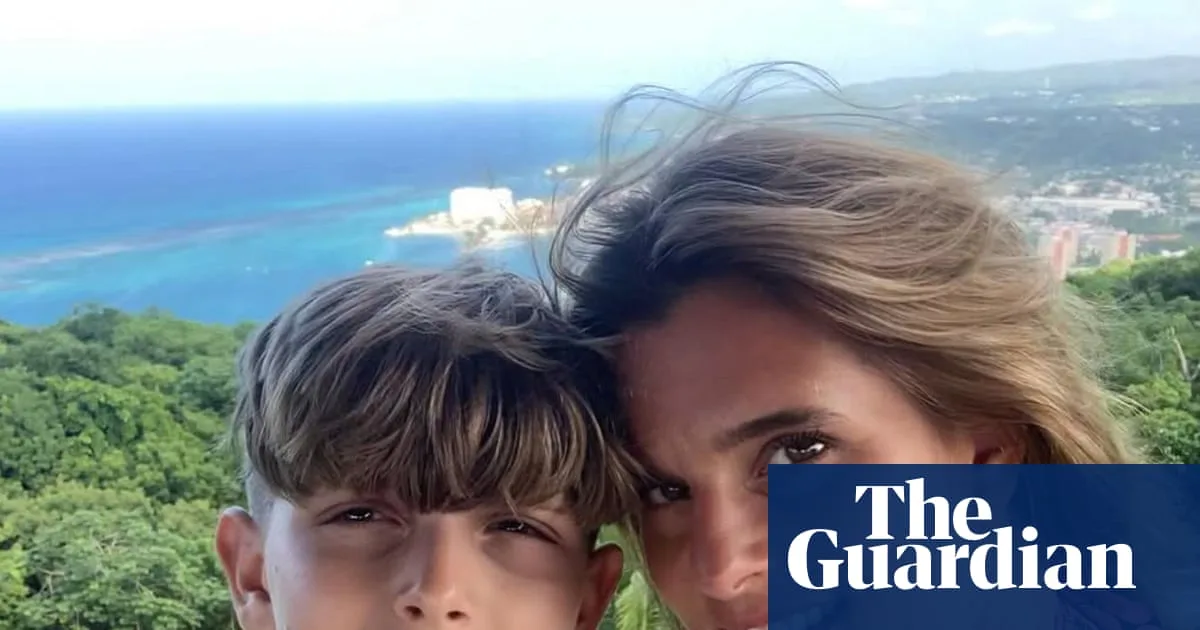
A landmark High Court ruling has ordered that the inquest into the death of 14-year-old Jools Sweeney be reopened, after his mother argued that social media evidence could explain his death in 2022.
Jools, a schoolboy from Gloucestershire, died in April 2022. His parents, Ellen Roome and Matt Sweeney, believed social media played a role, pointing to the popularity of the “blackout challenge” on TikTok at the time. The original inquest lasted just 23 minutes and heard no oral evidence, nor did it examine social media evidence, which was then unavailable.
In their ruling, Lord Justice Warby and Mrs Justice Heather Williams said it was “now clear there are various potential lines of inquiry” that had not been considered. They also overturned the findings of the original inquest. The ruling is believed to be the first of its kind in England and Wales, with the absence of social media evidence a key ground for the fresh inquiry.
Roome later commissioned a private forensic analysis of Jools’s phone, uncovering evidence not available to the original investigation. Her barrister, Harry Lambert, said data from Jools’s TikTok account was “highly probative of overuse or addiction”. Roome, who wept in court, said: “For more than four years, we have fought every single day for the truth about what happened to our beautiful son Jools. Today, the legal system has finally recognised that there are questions which deserve to be answered.”
Roome has also campaigned for “Jools’ law”, which now requires technology companies to automatically preserve a child’s online and social media data within five days of their death. The measure was written into the Crime and Policing Act on 29 April 2026. Anthony Jones, representing TikTok, said the company did not oppose Roome’s proposal and “could certainly see the force” for a new inquest. Separately, Roome and four other bereaved British parents are suing TikTok and its parent company, ByteDance, in the United States.
Gary Miller, a partner at Mishcon de Reya who instructed Lambert, said: “Social media is integrated into the lives of young people, and the current investigative processes are not fit for purpose in this new world.” Roome added: “This journey has broken us at times. It has taken an enormous emotional toll on our family, but we could never stop. We fought not only for Jools, but for every family who deserves to know the truth about how their child died.”