Modern Etiquette Guide: Navigating Social Faux Pas in a Digital World
In an era dominated by smartphones, social media, and instant communication, connecting with others has never been simpler—yet offending those around us has also become remarkably easy. Many of today's most frequent etiquette mistakes arise not from ill intent but from convenience, such as poorly crafted messages, thoughtless online posts, or devices that constantly vie for our attention. Despite these modern challenges, the core principle of good manners remains unchanged: consideration for others. From avoiding headphones on public transport to ghosting invitations and sharing content without permission, here are 19 common modern etiquette blunders, why they irritate, and practical strategies to steer clear of them.
Making Birthday Posts All About You
A familiar scene on social media is someone posting a birthday wish for a friend, often featuring a photo where the account holder looks more flattering than the birthday person. This practice shifts focus away from the celebrant. To show genuine consideration, post a photo of the friend alone if you must share, and ensure you extend online birthday greetings to all friends, not just a select few.
Sending Voice Notes Without Context
Voice notes can be a convenient way to communicate, but sending one without a brief text explaining its subject is impolite. Since voice notes are typically non-urgent, a simple line like "regarding dinner plans; not urgent" or "background on the new project" suffices. Remember, never send a voice note to someone you don't know well.
Checking Your Smartwatch During Conversations
Smartwatch notifications can prompt a Pavlovian glance, but in social settings, this often reads as boredom or disinterest. Even if you explain it's just a notification, it's still rude. To avoid this, activate do-not-disturb mode on your watch before meetings, similar to how you'd handle a phone.
Sending Work Emails Outside Business Hours
Email etiquette places the onus on the sender to respect recipients' time. If you prefer working early, use draft-saving or schedule-send tools to deliver emails during regular business hours. This prevents pressuring colleagues into replying at odd times, though exceptions apply for different time zones.
Taking Photos in Friends' Houses Without Permission
When visiting someone's home, always ask before taking photos or videos, and seek additional consent before sharing them online. This courtesy extends to tradespeople, who should obtain permission before posting clients' private spaces on social media for business purposes.
Playing Music or Making Calls Without Headphones
Known as "barebeating," this selfish act forces others to endure your audio content. Whether due to missing headphones or other reasons, it creates unnecessary noise pollution. Always use headphones in public to maintain a considerate environment.
Couples Reposting Each Other's Content
Tagging and resharing each other's stories can clutter feeds with duplicate content. Since friends likely follow both partners, avoid forcing them to see the same posts twice. Similarly, excessive public displays of affection on platforms like Facebook can be off-putting; express love directly instead.
Filming People in Public Without Consent
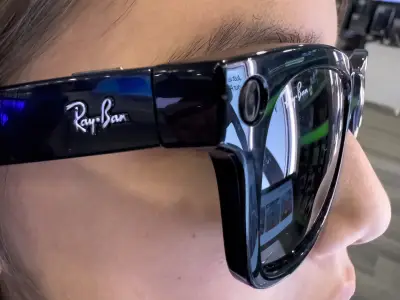
While obtaining consent can be challenging, modern manners dictate considering others in your shots. Take a moment to ensure you're not inadvertently recording strangers, extending this basic courtesy to fellow humans.
Dropping Niceties in Emails
As communication shifts to platforms like Slack, email formality shouldn't be abandoned. Including greetings like "good morning" and closings such as "with all good wishes" maintains politeness, avoiding curt or impersonal messages.
Filming Concerts Instead of Watching
Focusing on recording concerts with your phone can detract from the live experience and block others' views. Enjoy the moment directly; professional recordings are often available in higher quality anyway.
Vaping Without Asking
Vaping etiquette mirrors smoking: always ask before vaping in someone's house or nearby, even outdoors. Respect others' preferences to avoid discomfort.
Ghosting Instead of Declining Invitations
Ignoring invitations is ruder than politely declining. Prompt responses show respect, whereas ghosting forces hosts to chase replies. If you decline frequently, consider discussing it with the host.
Sharing Pictures of Children Without Permission
Posting images of others' children online without parental consent is a serious breach. Respect varying privacy levels among parents by always asking first.
Half-Hearted Dietary Requirements
If you have dietary restrictions, stick to them consistently. Announcing exceptions, like eating meat occasionally, confuses hosts and undermines your stated needs.
Not Sending Thanks After Hospitality
While handwritten notes are ideal, a simple text, DM, or call to thank your host the next day is essential. Even if you didn't fully enjoy the event, express gratitude to maintain goodwill.
Running Late Without Communication
With multiple communication tools available, there's no excuse for not informing others if you're late. Send an apology and share your location or provide an accurate ETA to minimise inconvenience.
Feeling Obliged to Share Opinions on Everything
In a complex world, it's acceptable to admit you don't have an opinion on every issue. Asking questions rather than opining on unfamiliar topics demonstrates confidence and respect.
Bringing an Uninvited Plus One
Invitations are only for named guests unless specified otherwise. Bringing an uninvited plus one without permission is disrespectful and can create awkward situations for hosts.
Shortening Names Without Permission
While informality is common, avoid abbreviating someone's name unless invited to do so. Assuming familiarity can breed contempt, so use full names until given clearance.
By adhering to these guidelines, we can foster more considerate interactions in our digitally-driven society. Remember, good manners are timeless, even as technology evolves.