Khaby Lame: The Silent TikTok Star's Billion-Dollar Digital Identity Sale
Khaby Lame's Digital Identity Sale and Spiritual Background

Khaby Lame: The Story Behind the World's Most Followed TikToker

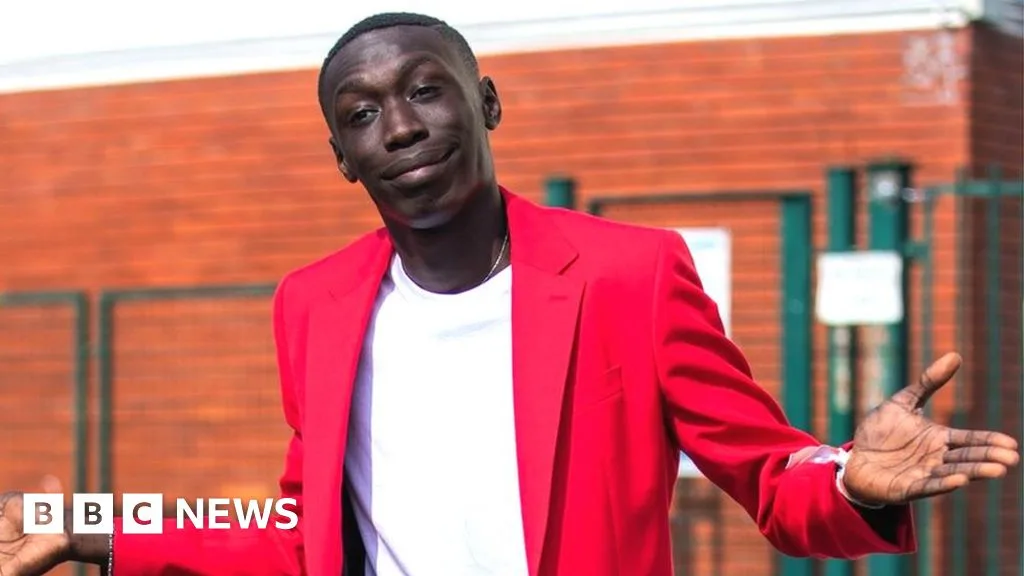
There is a dimension to Khaby Lame's remarkable story that the media rarely mentions, revealing a complex interplay between spirituality, digital fame, and commercial exploitation. Born Khabane Lame in Dakar, Senegal, he is globally recognized as Khaby Lame, the most followed content creator on TikTok with over 160 million followers. His rise to fame is built on wordless video clips where he reacts to absurd "life hack" videos with a blank, slightly annoyed face, demonstrating their unnecessary complexity.

From Quranic School to Global Stardom

While western media often focuses on his viral success, Khaby Lame is a practising Muslim and a hafiz, having memorized the entire Quran after attending a Quranic school near Dakar at age 14. This spiritual foundation creates a fascinating tension with his digital persona, as the sacred body of the hafiz contrasts sharply with the commercialisation of his influencer life. For researchers of digital identity, his career raises profound questions about turning personal data into assets.

A Modern Myth from Turin to the World Stage

Khaby Lame's journey reads like a modern-day myth, mirroring core narratives of digital modernity. It begins with hardship, moves through creative isolation, and culminates in global recognition. In 2020, during the COVID-19 pandemic, he lost his job as a factory worker and was confined to social housing in the suburbs of Turin, Italy, where his family had relocated when he was a baby.

Wide Pickt banner — collaborative shopping lists app for Telegram, phone mockup with grocery list

From this adversity, he started filming short videos, reaching over 100 million followers on TikTok within just 17 months. He became the first European-based creator to achieve this milestone, reflecting TikTok's promoted promise that anyone with a mobile phone and talent can attain global fame. However, behind this viral rise lie smart decisions, relentless hard work, and the unpredictable power of the platform's algorithm.

Reviving Silent Comedy Traditions

What distinguishes Khaby Lame from previous creators is the semiotic system he reactivated, bringing back an old comic tradition. Comparisons are often drawn to British comedy actor Charlie Chaplin and US comedian Buster Keaton, both masters of Hollywood's silent slapstick comedy. Khaby Lame revives the codes of 1930s Hollywood silent cinema: mime, meaningful glances, no dialogue, and burlesque sketches that convey messages.

Yet, while Chaplin's films carried emotional weight with social and political themes, Khaby Lame's style aligns more closely with Keaton's "great stone face"—absolute impassivity in the face of absurdity. This wordless humour allowed him to build a global audience without language barriers, similar to how silent film stars became icons a century ago. TikTok's algorithm favours instantly understandable content, requiring only a phone and algorithm rather than a movie theatre.

The Billion-Dollar Digital Identity Transaction

In January 2026, Khaby Lame's carefully crafted persona became a financial asset when he sold his company, Step Distinctive Limited, for $975 million to Rich Sparkle, a Hong Kong-based publicly traded company. The deal includes transferring rights to his image, voice, and behavioural models to create an AI-powered digital twin. This twin will produce multilingual content for advertising and promotions, enabling companies to run commercials globally without his physical presence.

Rich Sparkle estimates this could generate over $4 billion in annual sales, particularly through livestream e-commerce, a format dominant in Asia. This transaction marks a pivotal turning point where digital identity no longer merely represents a person but becomes a separable asset. Creators are now brands in their own right, with Khaby Lame's digital being legally distinct from himself—an impassive, reproducible entity for digital platform capitalism.

Spiritual Gestures and Ethical Dilemmas

Khaby Lame's signature gesture of placing both palms open and turned upward appears as a simple, humorous sign of disbelief. However, in Islamic tradition and many African cultures, this gesture is linked to dua, the act of raising hands in supplication to God. Thus, what millions view as a comic signature is also a spiritual practice, adding layers of meaning to his digital persona.

Pickt after-article banner — collaborative shopping lists app with family illustration

The digital twin is not merely an image; it can act in his name, speak with his voice, and repeat his gestures, transferring his expression onto a digital system. The same hands that once recited Quranic suras in Dakar are now part of a near-billion-dollar commercial transaction, raising ethical questions about handing over active identity to financial markets.

African Success and Exploitation Concerns

For many young Africans, especially in Senegal, Khaby Lame embodies the possibility that digital spaces can be territories where Africans succeed, symbolically overturning hierarchies from colonial history. Yet, the deal prompts difficult questions: What does it mean to sell your digital self in a world where Black and African bodies have been exploited for centuries without fair compensation?

Is this a victory or a new form of exploitation? Can financial benefits balance the transfer of identity? As more African creators build global audiences, these questions become increasingly urgent. Who owns a creator's digital twin after sale, and who sets the rules for its use?

Khaby Lame is not just a social media success story; he is a revelation of the future and, perhaps unwittingly, a pioneer in the evolving landscape of digital identity and commerce.