Greece has taken a decisive step to protect its youngest citizens by announcing a sweeping social media ban for all children aged 15 and under. This bold initiative positions Greece as the latest European Union member state to implement such stringent measures aimed at safeguarding minors from the potential harms of digital platforms.
Comprehensive Legislation Targets Major Platforms
The new legislation specifically targets social media platforms that enable profile creation, user interaction, and content sharing. This includes globally dominant services such as Facebook, Instagram, and TikTok. Once the law is formally enacted, these platforms will bear the responsibility of verifying the ages of all users within Greece to ensure complete exclusion of those under 16.
Enforcement and Penalty Framework
Greek authorities have outlined a clear enforcement strategy where the state's primary role will be monitoring compliance and addressing reported violations. The government has established substantial penalties for non-compliant companies, including fines reaching up to 6% of a company's global turnover. Additional sanctions may include daily fines until compliance is achieved and potential restrictions on platform operations within Greek territory.

Violations will be reported to authorities in the platform's country of origin or directly to the European Commission, ensuring multinational accountability. This approach creates a robust deterrent against platforms that might otherwise circumvent national regulations.
Prime Minister's Direct Appeal to Youth
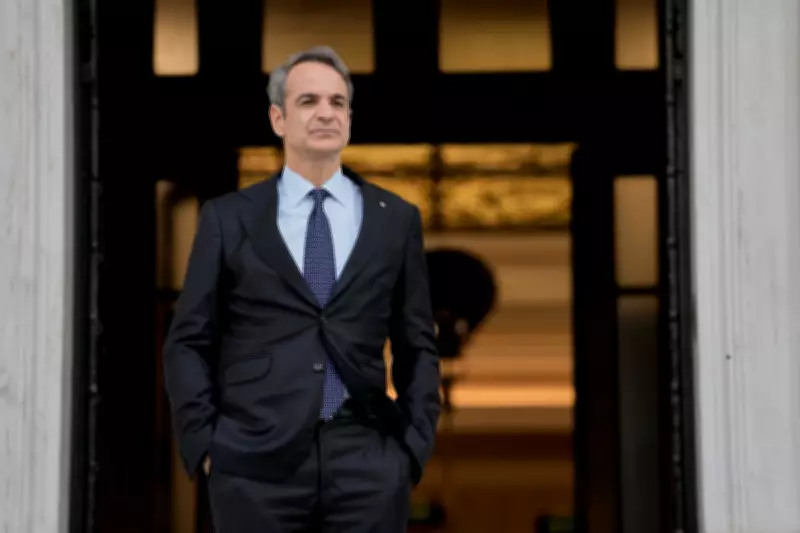
In a remarkable personal intervention, Greek Prime Minister Kyriakos Mitsotakis addressed the nation's youth directly through a social media video message. Mitsotakis acknowledged that many young people would likely be angered by the restrictions, admitting that he might have felt similarly at their age.
"Our role, my role isn't always to be pleasant," Mitsotakis stated candidly. "If something makes us feel more anxious or worse, lesser than who we really are, then it's perhaps best that we put a stop to it."
Mental Health Motivation Behind the Ban
The Prime Minister revealed that the decision followed extensive consultations with parents and young people who confided that excessive social media use was contributing to increased stress, anxiety, and sleep disturbances among minors. Mitsotakis emphasized that the legislation isn't intended to distance young people from technology generally, but specifically to protect them from what he described as "the addictive design of certain platforms and their profit model."
He further explained that this business model "is grounded in how long you spend in front of a mobile phone screen that denies you your innocence and freedom." The government aims to create healthier digital environments rather than eliminate technological engagement entirely.
Implementation Timeline and European Context
The Greek government expects to introduce the legislation during the summer months, with implementation scheduled for the first day of the new year. This timeline provides platforms with a reasonable adjustment period while signaling the government's commitment to swift action.
Greece follows the example set by France, which instituted similar restrictions earlier this year. In a strategic move to amplify the impact of national initiatives, Prime Minister Mitsotakis has formally urged European Commission President Ursula von der Leyen to establish a "unified European framework" by year's end.
Proposals for EU-Wide Protection
The Greek leader's proposal includes several key components for comprehensive European protection:

- An EU-wide social media ban for individuals aged 15 and younger
- Standardized age verification mechanisms across member states
- Mandatory re-verification of user ages every two years
- Establishment of a dedicated body to assess incidents and impose penalties rapidly
This coordinated approach seeks to create consistent protections across the European Union while preventing regulatory fragmentation that might allow platforms to exploit jurisdictional differences. The initiative represents a significant development in the ongoing European conversation about balancing digital innovation with child protection and mental health preservation.