Gen Z's Social Media Exodus: TikTok Use Persists Despite Plummeting Trust
A significant shift is underway among Generation Z, as young adults increasingly turn their backs on social media platforms, with one notable exception: TikTok. However, this continued usage does not equate to unwavering trust, as over half of Gen Z now view the app with heightened suspicion.
The Harris Poll's TikTok Troubles Report
According to The Harris Poll's TikTok Troubles: The Platform Gen Z Can't Quit (But Doesn't Trust) report, conducted in March 2026, a strong majority of young adults aged between 1997 and 2012 continue to engage with TikTok daily. Yet, their sentiments toward the platform have grown increasingly negative, described by many as cringe or untrustworthy.
This generation is actively pulling back from social media, not merely for mental detoxification but to cultivate richer offline lives. The survey highlights that over 50% of respondents aspire to spend more time exercising, while 42% prioritize in-person interactions with friends and family. Creative pursuits are also on the rise, with 42% exploring hobbies and 39% delving into cooking or baking. Additional interests include outdoor activities (36%), side hustles (34%), and dating (19%). Despite this trend, 26% still perceive social media as a form of self-care, indicating a complex relationship with digital engagement.
The Scroll Loop and Lurking Culture
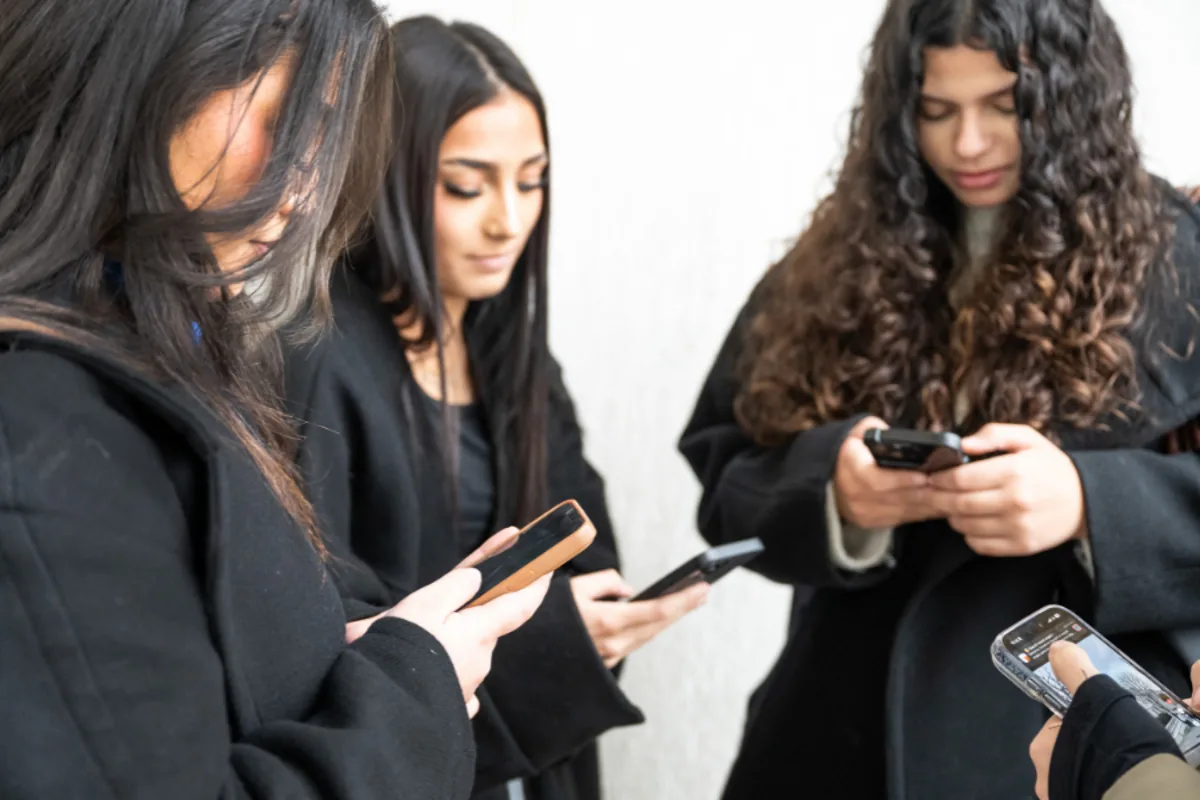
Even during breaks, many Gen Z users find themselves trapped in habitual scrolling. Approximately 31% admit to scrolling out of habit, despite finding it exhausting, while 29% report feeling better after unplugging. A notable 24% experience guilt over excessive screen time.
Furthermore, the findings reveal that Gen Z is more likely than any other generation to engage in lurking—scrolling without posting, liking, or commenting. This passive consumption underscores a broader disengagement from active social media participation.
TikTok's Cultural Dominance and Growing Distrust
Despite the retreat from other platforms, TikTok remains culturally dominant. Roughly 65% of Gen Z use the app daily, and 37% turn to it first for pop culture, entertainment, and local trends—nearly double the rate of any other platform.
However, nostalgia for TikTok's earlier days is palpable, with 79% of respondents missing the era when the app was centered on dancing and fun, before the influx of ads, influencer promotions, and TikTok Shop. Specific grievances include:
- 41% desire fewer brands and advertisements.
- 34% long for unfiltered, relatable content.
- 33% miss the pre-TikTok Shop environment.
- 27% are disillusioned with influencer culture.
Trust in TikTok is eroding rapidly. About 60% of users report trusting the app less than before, while 74% are more cautious about their engagement. Concerns over censorship are rising, with 51% believing the platform is more censored than a year ago. Ownership changes, particularly TikTok's establishment of a mostly American-owned joint venture to avoid a U.S. ban, have heightened data awareness among 64% of users, and 28% worry about implications for free speech.
Mental Toll and Algorithm Fatigue
The platform's impact on mental well-being is significant, with 43% finding it mentally draining and 40% describing it as overwhelming. Algorithmic dissatisfaction is widespread: 72% perceive content as staged, 53% view it as overly commercialized, and 33% feel compelled to train their feeds to see desired content. Additionally, 33% report decreased personalization since the ownership transition.
Persistent Usage Amid Skepticism
Despite these challenges, TikTok is not fading from Gen Z's daily routines. Even with growing skepticism, fatigue, and nostalgia, 65% of users log in daily, and 32% plan to increase their usage. This paradox highlights the app's entrenched role in young adult culture, even as trust wanes.
The Independent has reached out to TikTok for comment on these findings, underscoring the ongoing dialogue about the platform's evolution and its relationship with its youngest users.