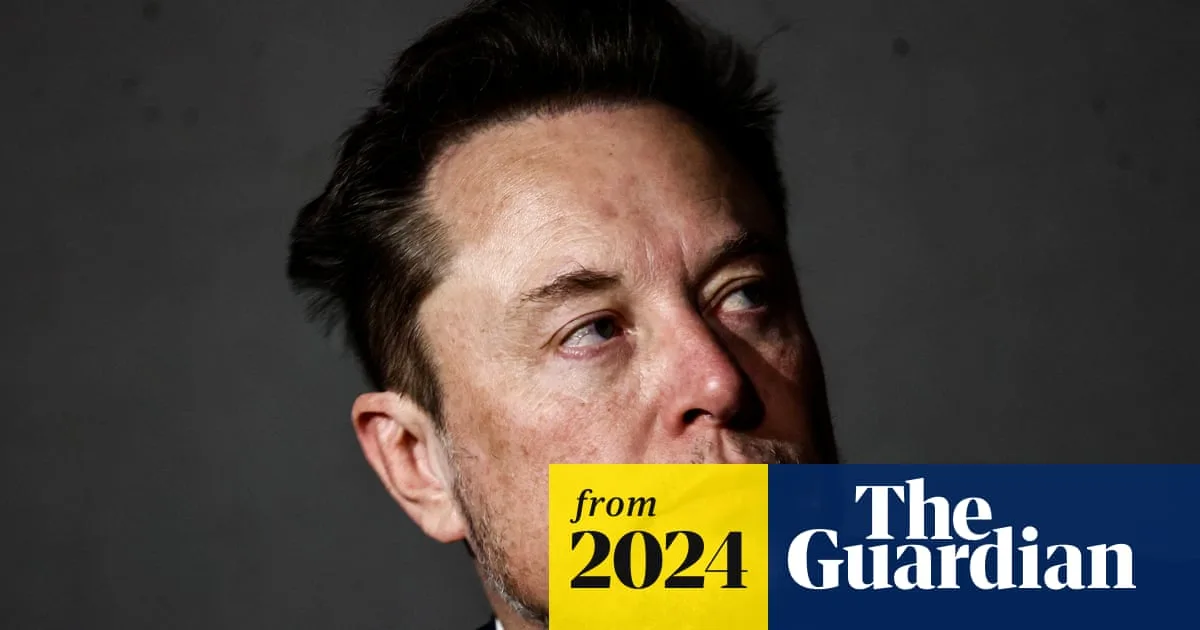
Elon Musk is facing a legal investigation in Brazil after publicly defying a Supreme Court order requiring his social media platform X to block certain far-right accounts. The dispute escalated over the weekend, with Musk calling for the resignation of Justice Alexandre de Moraes, who issued the order as part of an investigation into former President Jair Bolsonaro's attempts to overturn the 2022 election results.
The court order had demanded that X block several users and prohibited the platform from disclosing details of the blocked accounts, with fines of approximately £16,000 per day for non-compliance. Musk announced on Saturday that the company would reverse the blocks, describing the order as 'aggressive censorship'. He warned that X might lose all revenue in Brazil and have to shut down its office there, stating that 'principles matter more than profit'.
In response, Justice Moraes opened an inquiry into Musk's actions, accusing him of obstruction of justice. The Brazilian government, led by President Luiz Inácio Lula da Silva, backed the inquiry. Federal Solicitor General Jorge Messias criticised Musk, saying that 'we cannot live in a society in which billionaires domiciled abroad have control of social networks and put themselves in a position to violate the rule of law'.
Senior members of Lula's administration also condemned Musk's interventions. Communications Minister Paulo Pimenta wrote on X that 'Brazil is not the jungle of impunity' and that the country's sovereignty would not be subordinate to the power of internet platforms. Gleisi Hoffmann, head of Lula's Workers' Party, called Musk's actions a 'truculent offensive' and an attack on Brazilian sovereignty.
The dispute is part of a broader conflict between Musk and Brazilian authorities over free speech and regulation. Justice Moraes is also leading investigations into executives at Telegram and Google over their role in a campaign criticising an internet regulation bill. Bolsonaro, meanwhile, has posted a video of a meeting with Musk from May 2022 and called for supporters to gather in Rio de Janeiro on 21 April.