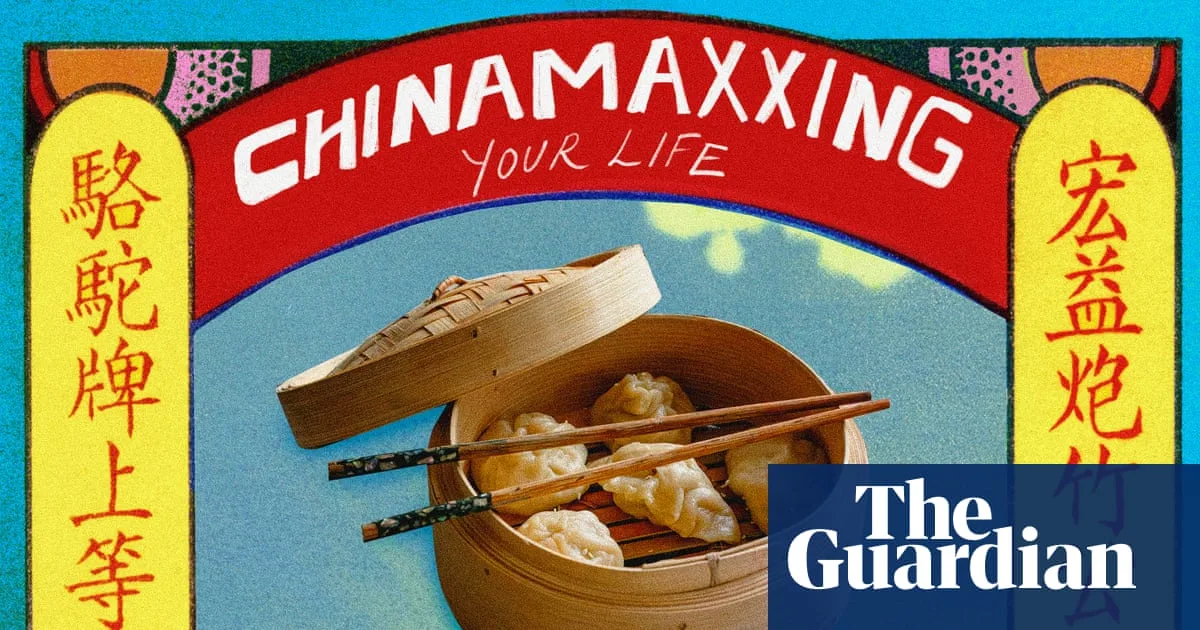
A TikTok trend known as 'Chinamaxxing' has sparked debate among the Chinese diaspora, with many expressing concerns about cultural appropriation and the reduction of a millennia-old culture to viral memes. The trend, which gained traction from mid-2025, sees creators adopting Chinese habits such as drinking hot water, wearing slippers indoors, using chopsticks, and celebrating Lunar New Year, regardless of their heritage.
Michelle She, a London-based fashion label owner, described the phenomenon as 'people trying to be more Chinese regardless of what their heritage is.' However, for many in the diaspora, the trend feels jarring. Jenny Lau, British author of An A-Z of Chinese Food (Recipes Not Included), said being told how to celebrate Lunar New Year by non-Chinese creators felt unsettling and like a direct challenge to her identity.
Vanessa Li, a Sydney-based content creator, questioned why non-Chinese creators were sharing tips about holidays they had never celebrated before. She worries that when something becomes a trend, it becomes disposable, and wonders whether appreciation for Chinese culture will last beyond the algorithm's attention.
Others, like Claire from Canada, noted the sting of sudden celebration of Chinese culture given the xenophobic attacks against Asians during the Covid-19 pandemic. Sherry Zhu, a US content creator and prominent face of the trend, expressed concern about non-Chinese creators reducing traditional medicine to a wellness fad, stressing that these benefits originate from China.
Jamie Cohen, associate professor of media studies at Queens College, New York, traced Chinamaxxing back to early 2025 when users flocked to Chinese social media app Red Note. He sees the trend as a response to disillusionment with the West and a form of coping for those who have lost faith in US cultural and democratic legitimacy. Tingting Liu, a research fellow at the University of Technology Sydney, noted that what spreads globally are fragments of everyday life, not China's full complexity.