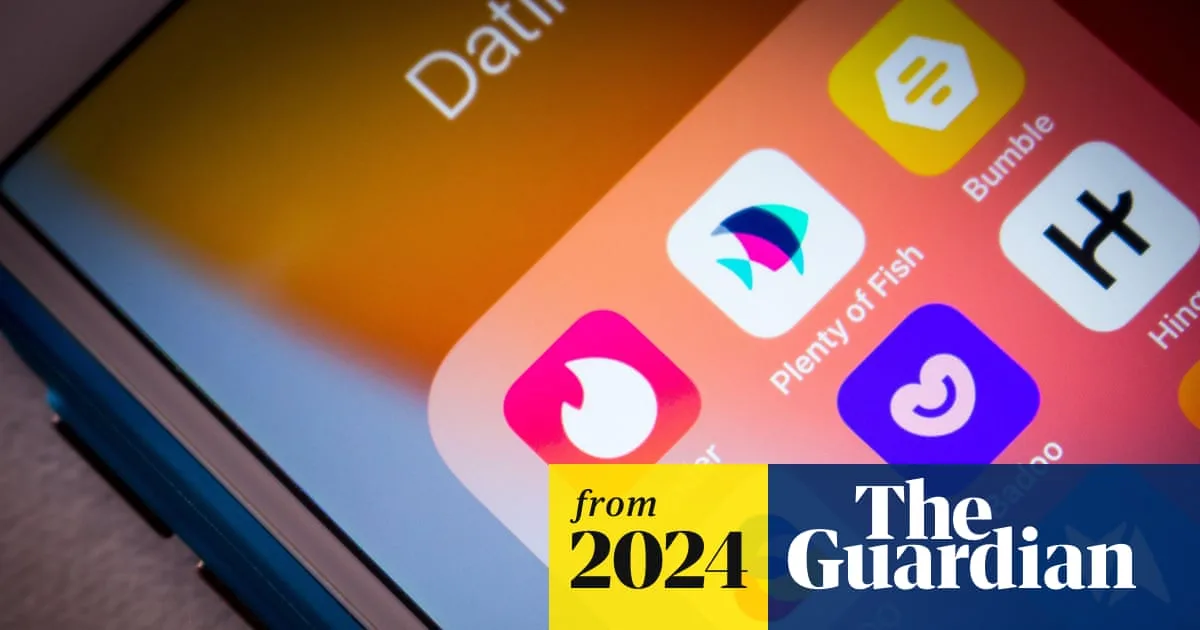
Nearly 1.4 million people in the UK have abandoned online dating over the past year, according to Ofcom’s 2024 Online Nation report. The top ten most popular dating apps saw a combined drop of nearly 16% in users between 2023 and 2024, with Tinder losing more than half a million users, Bumble 368,000, and Hinge 131,000.
Researchers at the University of Leeds’ Centre for Love, Sex, and Relationships (CLSR) attribute the decline to a growing sense of fatigue and detachment. Lecturer Natasha McKeever describes the experience as “admin” rather than a social activity. “It becomes tedious… you start seeing people like they’re all just cards in a deck,” she said, adding that this detachment encourages abusive behaviour as users feel shielded from real-world consequences.
However, the downturn is not uniform. Queer-oriented apps have remained steady or grown, with Scruff—designed for men seeking men—the only platform to see a user increase. Sophie Goddard, a tutor at Leeds, suggests these apps offer safer spaces for experimentation and self-discovery, particularly for those who may not be ‘out’ in physical spaces.
Market concentration also plays a role. Match Group, which owns Tinder, Hinge, Plenty of Fish and Match.com, controls over half of the 7.27 million users across the top ten apps. CLSR co-director Luke Brunning argues this creates an “illusion of choice” with little differentiation between platforms. “The nature of online dating business-wise mirrors the user experience… none of it feels different, and none of it feels real,” he said.