Africa's Manosphere: Misogyny Dressed as Self-Help Gains Traction
Africa's Manosphere: Misogyny Gains Traction Online

Africa's Manosphere: Misogyny Dressed as Self-Help Gains Traction

While the West grapples with figures like Andrew Tate, Africa is witnessing a parallel surge in misogynistic influencers. With over 400 million people aged 15 to 35 on the continent, several individuals are building substantial online followings by promoting harmful attitudes under the guise of addressing men's struggles.

The Rise of Harmful Digital Content

Sunita Caminha, who leads UN Women on ending violence against women and girls in east and southern Africa, first noticed the manosphere's presence in Africa about five years ago. She believes it is alarmingly on the rise, with consistent research showing this issue across different countries and contexts.

Awino Okech, a professor of feminist and security studies at Soas University of London, notes that falsehoods against women in Africa predate current online proliferation. She links manosphere ideas to older men's rights organisations like Maendeleo ya Wanaume, which argued men were being left behind due to investments in women's rights.

Wide Pickt banner — collaborative shopping lists app for Telegram, phone mockup with grocery list

Red Pill Theory and Real-World Consequences

This perspective, known as red pill theory, frames men as victims of a feminist-distorted society. The result is women facing threats, harassment, and hounding offline, while online abuse of female politicians increases globally. Experts warn this atmosphere empowers extreme misogyny, including trafficking, sexual exploitation, femicide, and domestic abuse.

Technology-Facilitated Gender-Based Violence

As digital spaces expand, technology-facilitated gender-based violence (TFGBV) proliferates alarmingly. Defined by the UN as acts using digital tools causing harm or rights infringements, TFGBV affects up to 60% of women worldwide. Forms include doxing, deepfake abuse, sexual harassment, and sextortion, often escalating from online to offline violence.

Certain groups face higher threats: young women and girls, women with disabilities, women of colour, LGBTIQ+ people, and women in public life. Despite gaps in data and policy, international organisations are working with governments and tech companies to combat TFGBV.

Key Figures in Africa's Manosphere

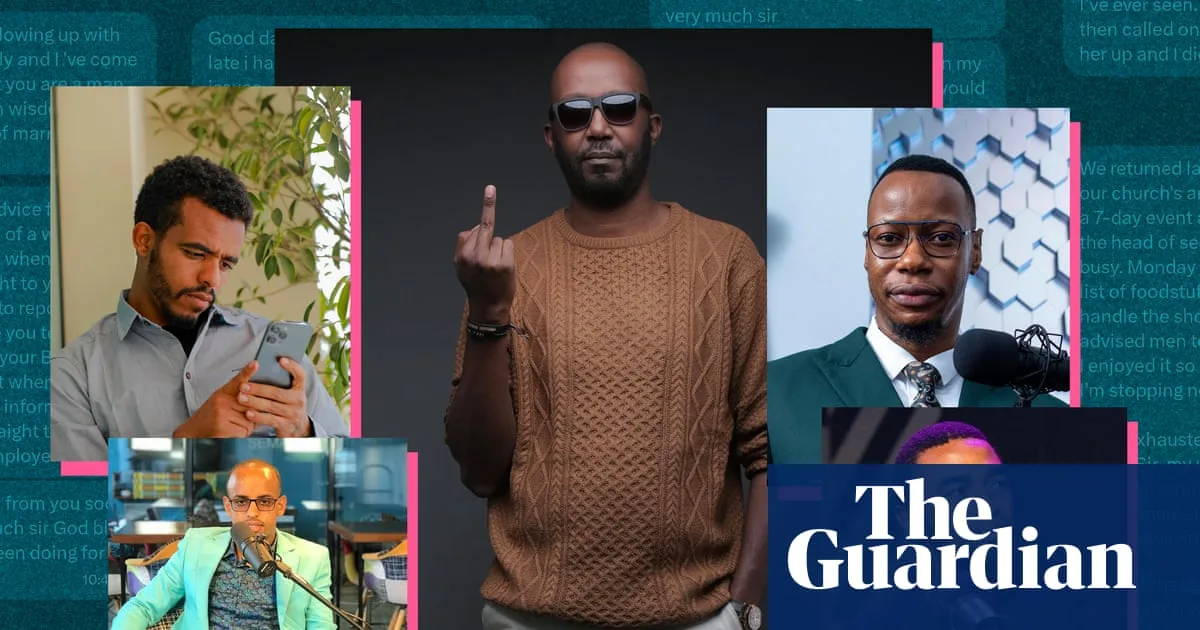
Amerix (Kenya): Eric Amunga, calling himself a reproductive health specialist, has 2.3 million followers on X. He promotes misogynistic views, calling unmarried women over 30 "red flags" and disparaging "fat" women and "simps." He propagates the hashtag #MasculinitySaturday.

Andrew Kibe (Kenya): A former radio host turned podcaster, Kibe had over 420,000 YouTube subscribers before his account was terminated. He promotes traditional gender roles, claiming women's sole purpose is bearing children, and criticises modern marriage and workplaces.

Àgbà John Doe (Nigeria): An anonymous influencer on X with a brusque style, he discusses relationships and masculinity while making misogynistic statements about women's character and virginity. Along with Shola and Sir Dickson, he has over 1.6 million followers combined.

Naty Mon (Ethiopia): With almost half a million TikTok followers, Mon hosts live streams objectifying young women and uses religion to argue women should not be equal to men. Research finds Ethiopian influencers spread misogynistic content under comedy guises.

Xaliye (Somalia): Abdisamad Xaliye, a former TV journalist, hosts a podcast focusing on masculinity and self-improvement. He body shames women, advocates traditional gender roles, and hosts dating shows where he berates female callers.

Shadaya Knight (Zimbabwe): With nearly 700 million followers on X, Knight is called Zimbabwe's Andrew Tate. He has sparked controversy with posts about Rihanna and statements on dating younger women, single mothers, and masculinity.

Penuel The Black Pen (South Africa): Penuel Mlotshwa hosts a popular YouTube podcast mixing politics with misogynistic views, such as blaming women for broken families and advising men against vulnerability. His broader content approach attracts significant followings.

Pickt after-article banner — collaborative shopping lists app with family illustration

Urgent Need for Action

Experts emphasise the direct link between online denigration of women and physical violence, including femicide. As influencers monetise content through platforms like X's Creator Revenue Sharing, the incentive for harmful rhetoric grows. Addressing this issue requires coordinated efforts in policy, law, and tech regulation to protect women and girls across Africa.