For a smoker on a long-haul flight, the cabin is not just a mode of transport; it is a high-altitude waiting game. As the hours drag on and nicotine cravings peak, the cramped airplane lavatory often serves as a brief sanctuary – a private space to splash cold water on one's face, take a deep breath, and try to ride out the urge.
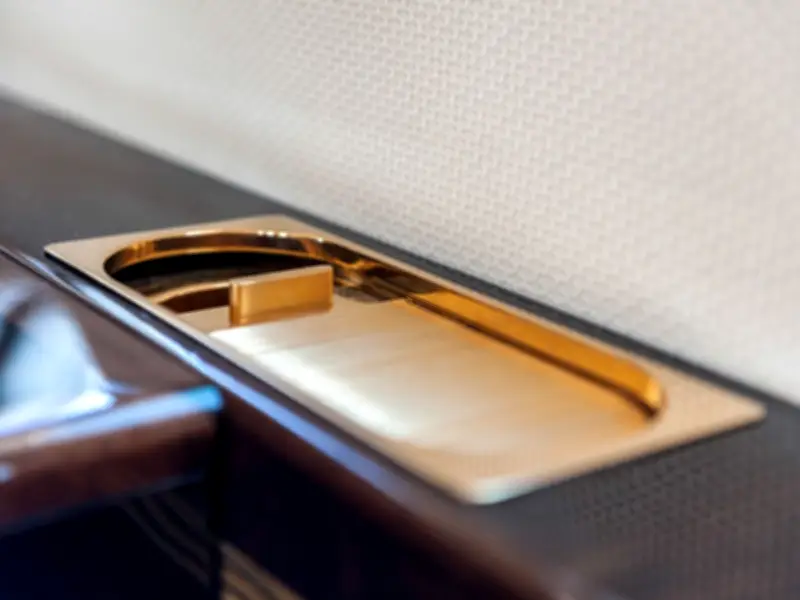
But right there, bolted securely into the door, sits the ultimate cruel joke: a shiny, flip-top ashtray. While it may feel like someone rubbing salt in the wounds, there is a reason why ashtrays are on planes even though cigarettes are not permitted.
Industry Insiders Weigh In
When the subject was brought up on Reddit, industry insiders were quick to clear things up. One user explained in the Reddit comments: "It is an FAA (Federal Aviation Administration) requirement so that when someone does light up, there is a safe way to dispose of the ashes. You will still get in trouble, anyway."
As passengers do not always stick to the rules, there is no doubt that some people will try to smoke even though it is banned. For that reason, it is good to have ashtrays on standby as a fireproof spot to stub out cigarettes.
An engineer waded in, writing: "Aerospace engineer here. The trash bins are also fireproof, because while you are correct about the reason why we provision an ashtray, we have so little trust in passengers that we expect them to do what you suggested anyway."
Another said: "Also, fun fact, it is a no-go item if it is broken or missing. I had an aircraft grounded before because they could not find a spare."
And a third added: "I remember reading an article a few years ago that the toilet door was broken (and subsequently the ashtray was unavailable) and the flight was cancelled."
History of Smoking on Flights
For decades, flying meant sitting in a haze of tobacco smoke, as lighting up was considered an essential part of the glamorous mid-century air travel experience.
The shift began in 1973 when UK carriers like BOAC introduced designated non-smoking sections – though shared cabin ventilation meant everyone still breathed the fumes.
Driven by mounting health concerns, airlines took the lead in phasing it out: British Airways banned smoking on domestic routes in 1988, and Virgin Atlantic pioneered smoke-free transatlantic flights in 1990.
By 1998, major UK airlines had permanently stubbed out the practice across their entire global networks.