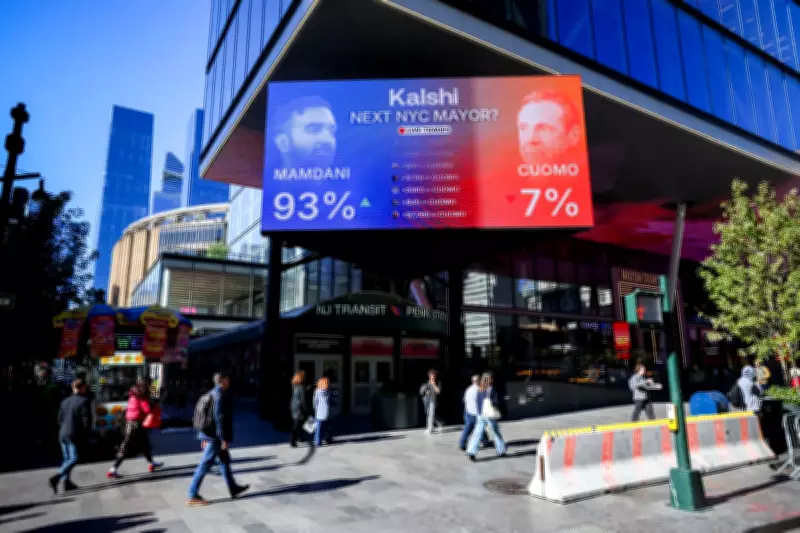
US Regulators Launch Investigation into Prediction Markets Kalshi and Polymarket
US regulatory authorities have initiated a formal investigation into the prediction market platforms Kalshi and Polymarket, focusing on allegations of potential insider trading activities. This probe highlights growing concerns about market integrity and the adequacy of regulatory frameworks in the rapidly expanding prediction market sector.
Details of the Regulatory Scrutiny
The investigation, led by agencies including the Commodity Futures Trading Commission (CFTC) and the Securities and Exchange Commission (SEC), is examining whether traders on these platforms may have used non-public information to gain unfair advantages in betting on future events. Sources close to the matter indicate that regulators are particularly interested in high-stakes trades related to political outcomes, economic indicators, and corporate announcements.
Kalshi, a US-based platform regulated by the CFTC, allows users to trade on the likelihood of events such as election results or inflation rates. Polymarket, operating globally with a focus on cryptocurrency-based trading, offers similar prediction markets but has faced previous regulatory challenges over its compliance with US laws.

Implications for Market Integrity and Consumer Protection
This investigation raises significant questions about the robustness of anti-insider trading measures in prediction markets. Unlike traditional financial markets, prediction markets often operate in regulatory grey areas, with varying levels of oversight across jurisdictions. Experts warn that without stringent controls, these platforms could become hotspots for market manipulation, undermining trust among users and potentially harming consumers.
In response to the probe, both Kalshi and Polymarket have issued statements affirming their commitment to compliance and cooperation with regulators. Kalshi emphasized its "proactive measures to ensure fair trading," while Polymarket noted it is "reviewing its internal policies to address any concerns."
Broader Regulatory and Industry Impact
The outcome of this investigation could have far-reaching consequences for the prediction market industry. If regulators find evidence of insider trading, it may lead to stricter regulations, including enhanced disclosure requirements, trading limits, or even bans on certain types of events. This could slow the growth of prediction markets, which have gained popularity for their ability to aggregate crowd-sourced forecasts on diverse topics.
Industry analysts suggest that this scrutiny reflects a broader trend of increased regulatory attention on fintech and crypto-related ventures. As prediction markets blur the lines between gambling, investing, and information markets, policymakers are grappling with how to balance innovation with consumer protection and market stability.
In conclusion, the investigation into Kalshi and Polymarket underscores the urgent need for clearer regulatory standards in prediction markets. Stakeholders, including platforms, traders, and regulators, must collaborate to develop frameworks that prevent insider trading while fostering a transparent and fair trading environment. The results of this probe will likely shape the future trajectory of prediction markets globally.