UK Government Advances Plans for Social Media Ban Targeting Under-16s
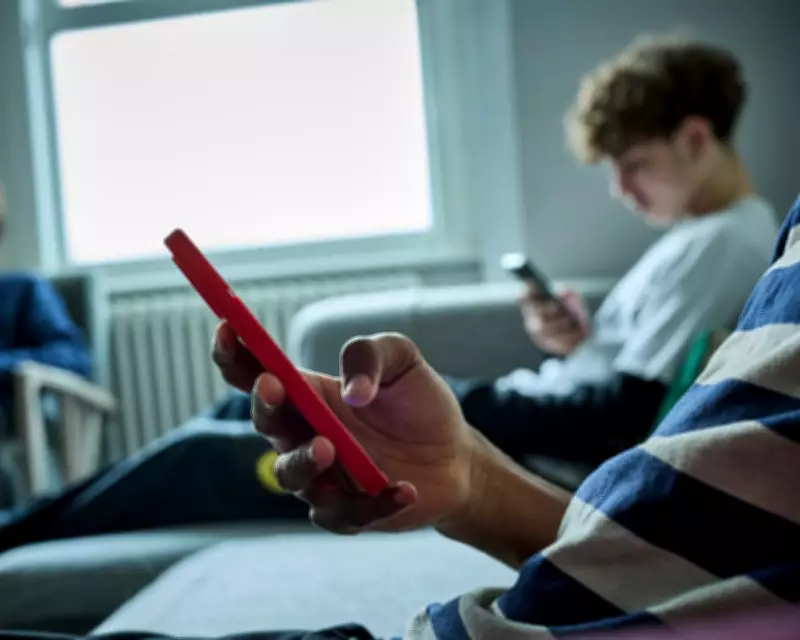
The UK government is taking significant steps towards implementing a social media ban for individuals under the age of 16, with a consultation set to launch next week. Insiders indicate that Prime Minister Keir Starmer is increasingly likely to support the measure, which aims to address growing concerns about the impact of online platforms on young people's mental health and safety.
Consultation to Explore Multiple Options for Online Protection
Technology Secretary Liz Kendall will publish the terms of reference for the consultation, which will not endorse a single solution but will examine various approaches. These include imposing an age limit on social media access and implementing less stringent measures, such as restrictions on infinite scrolling features that can contribute to addictive behaviors.
A senior government figure involved in the process expressed skepticism about the effectiveness of a ban but acknowledged its political momentum. "I am sceptical about whether a ban will work, but I am sure we will end up backing a ban, not least because that is the way the politics is heading," the official stated. "In a way it doesn't necessarily matter whether it is universally adhered to or not – a ban is the clearest signal to the industry that we want them to do more to protect young people online."

Another source highlighted the simplicity of a ban compared to other options. "A ban is the simplest way to achieve what we want. Everything else is asking social media companies to redesign the way the platforms work and be open and transparent about it, which seems more complicated," they added.
Political and Public Pressure Driving the Initiative
The consultation follows intense pressure from Labour backbenchers, campaigners, and the Conservative party. Initially, Starmer and several senior ministers were hesitant, citing concerns about enforceability and the potential for teenagers to be unprepared for social media use at age 16. However, Australia's recent implementation of a similar ban in December has bolstered support, with proponents pointing to early positive outcomes as evidence of feasibility in the UK.
Fred Thomas, a Labour MP who led a letter signed by over 60 backbenchers urging Starmer to back a ban, emphasized the urgency of action. "Every day that goes by with children being harmed is one we will regret. We must help parents protect under-16s by removing their access to this addictive, dangerous content," he said. "Bold, confident action is required – and the plentiful evidence supports decisive intervention. Children, parents and politicians of all stripes recognise the corrosive damage it is causing our society."
Industry Responses and Safety Measures
In a related development, Instagram announced new safety features for teenage users. Parents in the UK, US, Australia, and Canada who use the platform's parental supervision function will receive alerts if their child repeatedly searches for terms associated with suicide or self-harm. Notifications will be sent via email, text, WhatsApp, or Instagram messages.
However, the Molly Rose Foundation (MRF), a charity established after the death of 14-year-old Molly Russell from harmful content on Instagram, criticized the move as insufficient. Andy Burrows, MRF's chief executive, argued that the platform's algorithm continues to recommend dangerous material. "Every parent would want to know if their child is struggling, but these flimsy notifications will leave parents panicked and ill-prepared to have the sensitive and difficult conversations that will follow," he stated.

Government Commitment and Future Steps
A government spokesperson reiterated the administration's dedication to addressing parental concerns. "Parents are deeply worried about the effects of social media on their children, and we're determined to get this right. Our swift consultation will look at everything from age limits and safer design features to a social media ban," they said. "We are listening to a wide range of voices including parents, teachers, young people and experts to give young people the childhood they deserve and prepare them for the future. We will set out our plans in the summer based on the outcome of the consultation."
The consultation marks a pivotal moment in the UK's approach to digital safety, with potential implications for social media regulation and youth protection policies nationwide.