Tech Giants Face Landmark Addiction Trial Over Child Harm Claims
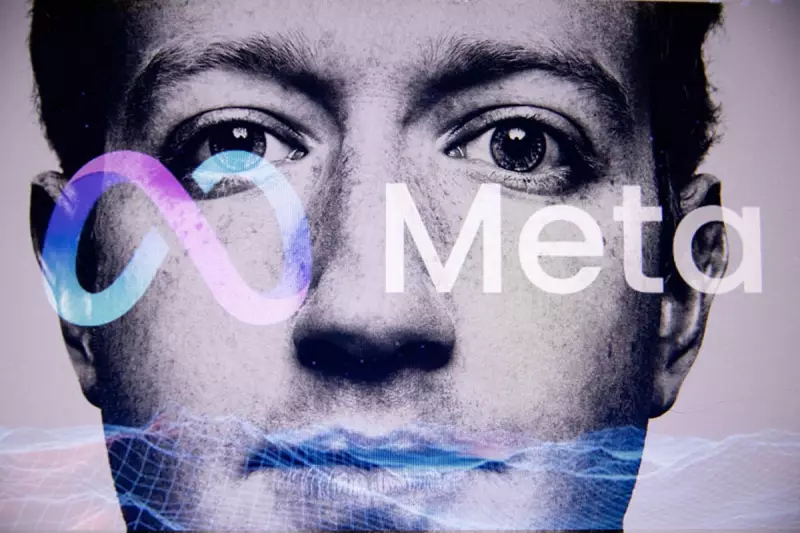
Three of the world's largest technology companies are preparing for a landmark trial in Los Angeles this week, facing accusations of deliberately addicting and harming children through their social media platforms. Meta's Instagram, ByteDance's TikTok, and Google's YouTube are all named in the groundbreaking legal action that could reshape how tech companies manage young users.
Jury Selection Commences in Historic Case
Jury selection begins this week at the Los Angeles County Superior Court, marking the first time these technology behemoths will argue their case before a jury. The selection process is expected to last several days, with 75 potential jurors being questioned daily until Thursday. The outcome of this trial could have profound implications for the companies' business models and their approaches to child user management.
Snap Inc., the parent company of Snapchat which was also named in the lawsuit, settled last week for an undisclosed sum, leaving the remaining three companies to face the legal challenge.

Bellwether Case Centered on 19-Year-Old Plaintiff
At the heart of this landmark case is a 19-year-old identified only by the initials "KGM," whose experience could determine how thousands of similar lawsuits against social media companies will proceed. She and two other plaintiffs have been selected for bellwether trials, essentially serving as test cases for both sides to evaluate how their arguments resonate with a jury and what potential damages might be awarded.
Clay Calvert, a nonresident senior fellow of technology policy studies at the American Enterprise Institute, explained that these bellwether trials provide crucial insight into how future cases might unfold. KGM claims that her social media use from an early age led to addiction and exacerbated depression and suicidal thoughts.
Deliberate Design Choices Under Scrutiny
The lawsuit makes a significant claim that the companies deliberately designed their platforms to be more addictive to children to boost profits. This argument, if successful, could potentially sidestep the companies' traditional legal protections including First Amendment considerations and Section 230, which typically shields tech companies from liability for content posted on their platforms.
"Borrowing heavily from the behavioral and neurobiological techniques used by slot machines and exploited by the cigarette industry, Defendants deliberately embedded in their products an array of design features aimed at maximizing youth engagement to drive advertising revenue," the lawsuit states.
Executives Expected to Testify in Lengthy Trial
The trial is expected to last six to eight weeks, with executives including Meta CEO Mark Zuckerberg anticipated to testify. Legal experts have drawn parallels between this case and the historic Big Tobacco trials that resulted in a 1998 settlement requiring cigarette companies to pay billions in healthcare costs and restrict marketing targeting minors.
"Plaintiffs are not merely the collateral damage of Defendants' products," the lawsuit asserts. "They are the direct victims of the intentional product design choices made by each Defendant. They are the intended targets of the harmful features that pushed them into self-destructive feedback loops."
Tech Companies Dispute Harm Claims
The technology companies strongly dispute the allegations that their products deliberately harm children, pointing to numerous safeguards implemented over the years and arguing they are not liable for content posted by third parties on their platforms.
Meta recently stated in a blog post: "Recently, a number of lawsuits have attempted to place the blame for teen mental health struggles squarely on social media companies. But this oversimplifies a serious issue. Clinicians and researchers find that mental health is a deeply complex and multifaceted issue, and trends regarding teens' well-being aren't clear-cut or universal."
The company further argued that narrowing the challenges faced by teenagers to a single factor ignores scientific research and the many stressors impacting young people today, including academic pressure, school safety, socio-economic challenges, and substance abuse.

First of Many Similar Cases
This trial represents just the beginning of a wave of legal actions seeking to hold social media companies accountable for potential harm to children's mental wellbeing. A federal bellwether trial scheduled to begin in June in Oakland, California, will be the first to represent school districts that have sued social media platforms over harms to children.
Additionally, more than 40 state attorneys general have filed lawsuits against Meta, claiming the company is harming young people and contributing to the youth mental health crisis by deliberately designing features on Instagram and Facebook that addict children to its platforms. While the majority of cases have been filed in federal court, some have pursued legal action in their respective states.
TikTok also faces similar lawsuits in more than a dozen states, indicating a growing legal and regulatory scrutiny of social media platforms' impact on younger users. The outcome of this Los Angeles trial could establish important legal precedents that influence how these numerous cases progress through the judicial system.